
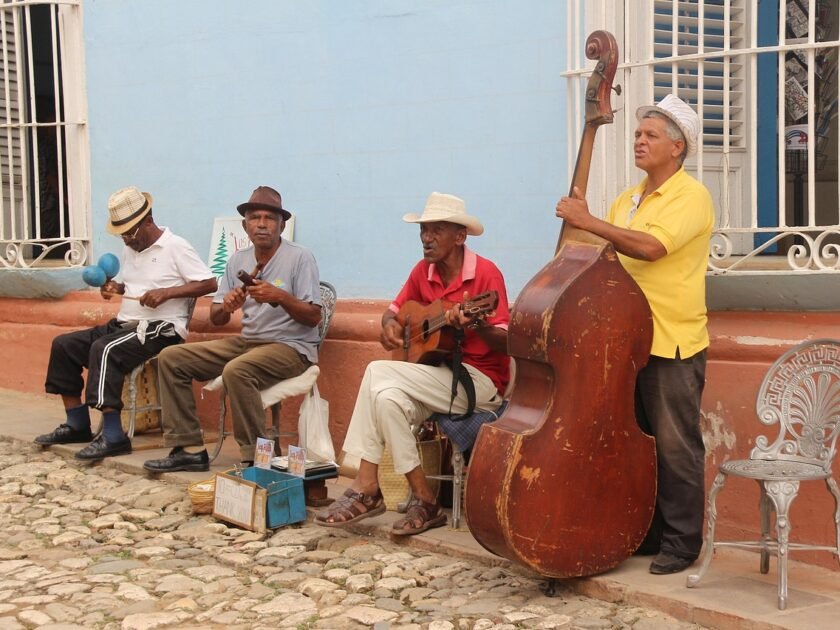
Introduction to Conga Drumming
Conga drumming is a crucial element within the rich landscapes of Afro-Cuban and Colombian music, playing a vital role in both traditional and contemporary musical expressions. Originating from the African diaspora, the conga drum has evolved into a symbol of cultural identity and artistic creativity for diverse communities. The earliest roots of conga drumming can be traced back to West African ceremonial practices, where similar percussion instruments were employed in communal and spiritual events. This rhythmic tradition traveled across the Atlantic, ultimately merging with indigenous and European influences to form unique styles in various Latin American countries.
In Cuba, conga drumming is deeply intertwined with the country’s social and cultural fabric. It is often associated with the festivities of Carnival, particularly in Havana, where vibrant parades and music showcase the talents of conga drummers. The development of the Cuban conga has led to the creation of distinct playing techniques and rhythms, such as the ‘Timbales’ and ‘Bata’ styles, which are integral to genres like Rumba and Salsa. Each rhythmic phrase is a reflection of Cuba’s historical narrative—its colonization, the transatlantic slave trade, and the diverse influences of its people.
Colombian conga styles, on the other hand, have their own unique contextualization and evolution. While influenced by Cuban rhythms, Colombian conga has retained strong links to the country’s indigenous music traditions. The conga drumming seen in Colombian music often features a blend of African, Spanish, and indigenous elements, resulting in a diverse range of sounds that enhance regional genres like Cumbia and Vallenato. The significance of conga drums in Colombia extends beyond mere musical accompaniment; they serve as instruments of community expression and reminders of cultural heritage.
Understanding these historical contexts enriches our appreciation of conga drumming, highlighting its importance in both Afro-Cuban and Colombian music. By analyzing the distinctive aspects of conga styles from each country, one can gain invaluable insight into the global legacy of this resonant and dynamic instrument.
Historical Influences on Conga Styles
The conga drums are central to various Latin music genres, and their styles in Cuba and Colombia have been profoundly shaped by historical factors. One of the key influences is the migration patterns stemming from the African diaspora, which brought numerous African cultural practices, including music, across the Atlantic. In both Cuba and Colombia, African enslaved populations significantly impacted local music, introducing rhythmic patterns and techniques that would later evolve into distinctive conga styles.
In Cuba, the presence of African rhythms combined with Spanish colonial influences gave rise to rich musical traditions like Rumba. This genre emerged in the early 20th century, characterized by its improvisational nature and its use of percussion, including conga drums. The Rumba’s complex rhythms and call-and-response structures directly influenced the development of Cuban conga music. As a result, Cuban conga styles often focus on intricate polyrhythms, emotional expression, and community participation, reflecting the socio-cultural environment from which they originated.
Conversely, in Colombia, the conga evolved within the context of the country’s vibrant folk traditions such as Cumbia. Like Rumba in Cuba, Cumbia draws heavily from African, Indigenous, and European musical elements. The interaction between these diverse musical traditions led to unique rhythms, dance patterns, and musical structures associated with Colombian conga styles. This blend has given Colombian conga a distinctive flair that emphasizes variations in tempo and improvisation, showcasing the rich musical heritage of Colombia.
Ultimately, the historical contexts of Cuba and Colombia have greatly contributed to the development of their respective conga styles. While both styles share a common ancestry rooted in African traditions, their evolution is a testament to the interplay of cultural influences, regional practices, and the collective experiences of their communities.
Cuban Conga Characteristics
The Cuban conga is characterized by its unique rhythmic patterns and specific playing techniques that define its sound. The principal rhythmic pattern known as ‘tumbao’ is essential in various Cuban music genres. This figure typically consists of syncopated beats that create an engaging and dynamic groove. Musicians often employ the ‘tumbao’ to support the rhythm section and establish a strong foundation for the music.
In the context of Cuban music genres such as Son, Rumba, and Salsa, congas play a pivotal role, contributing both to the rhythm and the overall energy of the performance. In Son, the conga’s rhythms interact closely with other percussion instruments, creating a rich tapestry of sound. This interaction is similarly evident in Rumba, where the congas’ improvisational aspects allow for a spirited dialogue between the musicians. Salsa, noted for its upbeat tempo, heavily relies on conga rhythms to drive the danceable quality that defines the genre.
Additionally, traditional Cuban ensembles often feature congas prominently, integrating them into larger percussion sections alongside instruments like claves, timbales, and bongo drums. This combination fosters a diverse sonic landscape that highlights the distinct characteristics of each instrument while maintaining a cohesive sound. Performance practices in Cuba emphasize not only skillful technique but also cultural expression, with conga players often showcasing their individuality through improvisation and rhythmic variation.
The conga’s role extends beyond mere accompaniment; it serves as a fundamental vehicle for cultural expression within the wider context of Cuban music. The rhythmical prowess, improvisational elements, and the communal aspect of conga playing in traditional ensembles epitomize the heart of Cuban musical identity. Consequently, understanding these characteristics enriches one’s appreciation of the Cuban conga sound and its influential status in world music.
Colombian Conga Characteristics
The Colombian conga style is a rich and expressive aspect of the country’s musical tradition, particularly prominent in genres like Cumbia and Porro. Unlike the more pronounced rhythmic patterns often associated with Cuban conga, Colombian conga showcases a rhythmic complexity that is deeply intertwined with the local folklore and cultural expressions. This complexity is frequently highlighted by the incorporation of varied syncopations and polyrhythmic sequences, which enhance the dynamic quality of the music.
Central to the development of Colombian conga styles is the cumbia genre, where the conga drum plays a pivotal role. The cumbia rhythm is characterized by its infectious beats, which often lure dancers to the floor. In this context, the conga serves as a primary percussion instrument, providing not just rhythm but also engaging melodic lines that complement other instruments, such as flutes or marimbas. The integration of these elements creates a distinctive sound that sets Colombian folk music apart from its Cuban counterpart.
In addition to Cumbia, the Porro style represents another significant domain for the Colombian conga. Originating from the Caribbean region of Colombia, Porro is characterized by its upbeat tempo and lively instrumentation. Here, the conga drums contribute to the vigor of the performance, often played alongside clarinets, saxophones, and brass instruments. The interplay between the conga and the melodic instruments highlights the rhythmic subtleties, allowing for a unique blending of sounds that resonates with the audience.
Furthermore, Colombian conga rhythms differ notably from Cuban styles through their reliance on local traditions and regional variations. The conga drummers often draw inspiration from ancestral practices, which have fostered a multitude of conga adaptations across Colombia. Such influences can be seen in the rhythmic patterns, playing techniques, and the overall role that congas play in both formal and informal settings, demonstrating the adaptability and significance of the instrument within Colombian folk music.
Technical Comparisons: Technique and Rhythmic Patterns
The conga drum, central to both Cuban and Colombian music traditions, exhibits distinct technical approaches and rhythmic patterns that characterize each style. In Cuban conga, the focus is often on intricate hand techniques, which include various strokes such as open tones, slap tones, and muted notes. These strokes are delivered primarily with the dominant hand, while the non-dominant hand plays a supportive role. This method enables Cuban percussionists to create a rich, melodic texture that is both complex and lively, often accompanying genres like son, rumba, and salsa.
Colombian conga, while also employing a range of hand techniques, places a greater emphasis on coordination and polyrhythmic interplay. In this tradition, the players often utilize alternating sticking techniques, which allows for a blend of single strokes and accents that create a more layered sound. The rhythms tend to be less syncopated than their Cuban counterparts, focusing instead on a driving, repetitive structure that plays a vital role in genres such as cumbia and vallenato.
Rhythmic structures further differentiate the two styles. Cuban conga rhythms are frequently built around a clave pattern, which serves as a foundational backbone for improvisation. This clave-centric approach results in a syncopated groove that engages both dancers and musicians alike. In contrast, Colombian conga is characterized by its use of the “cumbia” and “porro,” which offer repetitive yet evolving patterns that provide a sense of forward motion. The connection between the rhythm and dance in Colombian music creates a profound cultural engagement that enhances its overall appeal.
For percussionists looking to explore or merge these two conga styles, understanding the differing techniques and rhythmic frameworks is essential. By mastering the unique aspects of each tradition, musicians can broaden their expressive capabilities and foster greater appreciation for the rich diversity within the conga drum family.
Cultural Significance of Conga in Cuba and Colombia
Conga music holds a pivotal role in the cultural landscapes of both Cuba and Colombia, serving as a vital instrument for cultural expression and identity. In Cuba, conga drumming is deeply intertwined with the nation’s history and social fabric, particularly linked to the African diaspora. The rhythms of conga echo the complexities of Cuban identity, blending influences from African traditions, Spanish colonialism, and indigenous cultures. This fusion forms the heart of Cuba’s vibrant music scene, where the conga emerges as not just a musical genre but as a powerful symbol of resilience and community unity.
In Colombia, particularly in regions like the Pacific and Caribbean coasts, conga music resonates with similar cultural significance. The Afro-Colombian communities celebrate their heritage through conga, using its rhythms to narrate stories of their ancestry and daily life. Events such as the Festival de la Música del Pacífico Petronio Alvarez highlight the intricate relationship between the conga and community engagement, bringing together diverse groups who cherish their shared history and cultural practices. Here, conga serves as a unifying force, inviting participation through dance, music, and festivity, which ultimately deepens community bonds.
Both nations revere conga music as a means of fostering cultural pride and continuity. Festivals centered around conga, such as Havana’s Carnival and Barranquilla’s Carnaval, showcase vibrant parades, elaborate costumes, and traditional dances that not only celebrate heritage but also invite wider audiences to engage with these rich cultural narratives. The conga, therefore, transcends mere performance; it is a communal ritual that invites individuals to connect personally and collectively, ensuring the legacy of this unique musical tradition thrives across generations.
Fusion of Styles: Blending Cuban and Colombian Conga
The fusion of Cuban and Colombian conga styles has become a noteworthy phenomenon in contemporary music, creating an enriching dialogue between these two vibrant musical traditions. Musicians from both backgrounds are increasingly collaborating to innovate and expand the boundaries of traditional conga music. The dynamic interplay between the rhythms of Cuban conga and the characteristic sounds of Colombian variations, such as Cumbia and Vallenato, has paved the way for a fresh, hybrid genre that resonates globally.
Several successful cross-cultural projects exemplify this growing trend. For instance, artists like Totó la Momposina have effectively blended the rhythms and instrumentation of Colombian folk music with Cuban influences, creating a unique auditory experience that captivates audiences. Similarly, the collaboration between Cuban percussionists and Colombian bands has produced lively performances that celebrate the richness of both cultures. These collaborations not only reflect a shared appreciation for rhythm and percussion but also highlight the artists’ desire to push artistic boundaries.
The influence of global music trends further accelerates this fusion of styles, as genres become increasingly interconnected in the digital age. The advent of platforms that facilitate collaboration and distribution has allowed musicians worldwide to access and incorporate diverse musical elements. This interconnectedness has enabled the Cuban and Colombian conga styles to evolve dynamically, with innovative adaptations and re-imaginings enriching the foundational elements of both traditions.
As artists continue to experiment with their conga playing, the resultant fusions are not merely a blend of existing sounds but rather a birth of entirely new artistic expressions. This evolution signifies a broader movement within the music community, where the intertwining of cultural backgrounds leads to exciting musical developments. The ongoing exploration of traditional Cuban and Colombian conga styles ultimately highlights the transformative power of music in uniting diverse cultures and fostering creativity.
Learning Conga Styles: Tips and Resources
For drummers and percussionists aspiring to master the intricate rhythms of Cuban and Colombian conga styles, there are various strategies and resources that can facilitate this learning journey. Understanding the distinct characteristics of each style is essential, as it will enhance the drummer’s adaptability and versatility in performing diverse musical genres.
One effective approach is to seek out online courses that specialize in conga drumming. Websites such as Udemy and Coursera offer a variety of instructional videos that cover both Cuban and Colombian techniques. These courses often include step-by-step tutorials, covering essential rhythms and exercises that can significantly enhance a learner’s ability to grasp the nuances of each style.
Moreover, YouTube hosts an extensive range of video tutorials that provide free access to expert instructors performing various conga styles. Drummers can find content ranging from basic techniques to advanced rhythmic patterns. This visual medium allows learners to observe hand placement and rhythm, aiding in the development of muscle memory.
In addition to online videos and courses, instructional books can serve as excellent resources. Titles such as “Conga Drumming: A Complete Guide to Performance” offer detailed insights into conga playing while emphasizing the differences and similarities between Cuban and Colombian rhythms. These materials often include exercises designed to enhance coordination, timing, and dynamic expression, which are crucial for proficient conga playing.
Practice is paramount when learning conga styles. Drummers should consider setting aside dedicated time for daily practice sessions, focusing on specific motifs and exercises associated with each style. Incorporating metronome practice can also help in developing rhythm control, a vital aspect of drumming proficiency.
Engaging with local music communities or online forums can broaden one’s understanding of conga drumming. Connecting with experienced drummers can provide valuable tips, feedback, and insights into the cultural significance of both Cuban and Colombian styles. This collaborative approach fosters a deeper appreciation for the diverse world of conga music.
Conclusion and Final Thoughts
In the exploration of Cuban and Colombian conga styles, we have highlighted several key differences and similarities that are vital in understanding these rich musical traditions. Both styles are rooted in African rhythms and cultural expressions, yet they have evolved distinctly within their geographical contexts. Cuban conga is often characterized by its syncopated rhythms and vibrant, improvisational elements, reflecting the diverse influences that have shaped Cuban music. Conversely, Colombian conga tends to emphasize a more structured and harmonious approach, integrating indigenous, African, and Spanish musical elements to create a unique soundscape associated with Colombian folklore.
Despite their differences, a significant commonality between the two styles remains in the communal aspect of conga music. Whether in the lively streets of Havana or the festive celebrations in Colombia, conga serves as an essential form of social interaction and cultural expression, bringing communities together through rhythm and dance. It is important to respect and appreciate these individual contributions to the broader conga music tradition. Each style presents its own lessons and beauty, embodying the cultural stories of their origins.
Moreover, understanding and respecting both the Cuban and Colombian conga styles allows for a richer appreciation of their respective cultural heritages. Music is a living testament to the history, struggles, and triumphs of these communities. As we embrace the diversity within conga music, we are encouraged to delve deeper into the narratives that surround these vibrant traditions. The conga drum, in its various forms and styles, remains a vital link connecting people through rhythm and fostering cultural exchanges that transcend boundaries. Ultimately, appreciating both Cuban and Colombian conga styles enriches our understanding of their contributions to world music and the ongoing dialogue of cultural continuity.