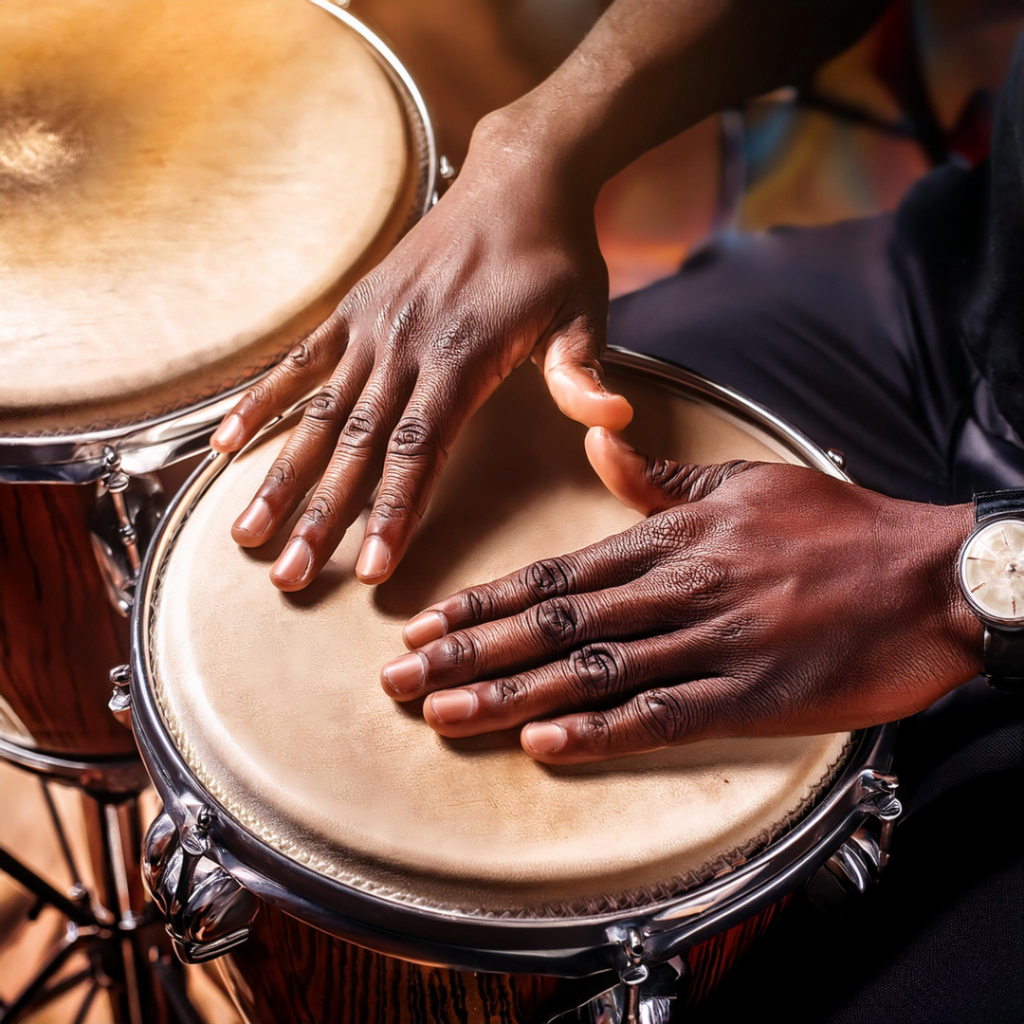
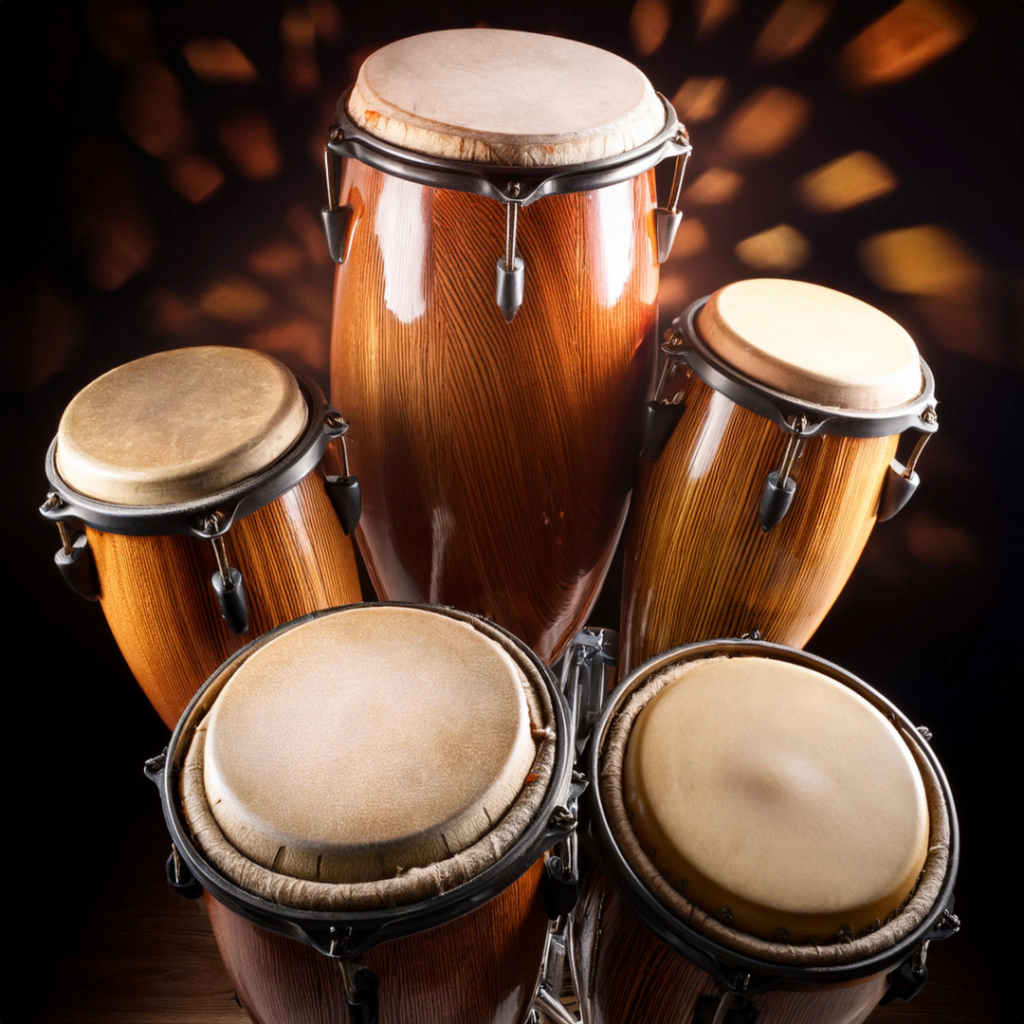
Conga drumming, a vital component of Afro-Cuban music, has its roots deeply embedded in African traditions. These hand-played drums, typically made from wood or fiberglass, are integral instruments in various musical settings, ranging from traditional folk to contemporary genres such as jazz, pop, and salsa. The conga drum is known for its rich, resonant tones, which can add depth and emotion to a wide array of musical compositions. As local and international music scenes continue to evolve, the conga remains a symbol of rhythmic expression and cultural connectivity, bridging diverse musical worlds.
One of the significant aspects of conga drumming is its adaptability to multiple genres. The conga’s rhythmic structures can seamlessly integrate into orchestral arrangements and bands, making it a favored choice for percussionists. Through the use of various techniques and playing styles, drummers can produce dynamic sounds that enhance both improvisation and composition. However, as with any musical endeavor, developing conga drumming skills requires consistent practice and a solid warm-up routine.
Incorporating a daily warm-up routine can lead to several benefits, including improved technique, increased finger dexterity, and enhanced coordination. Warm-ups serve as a precautionary measure against potential injuries by gently preparing the muscles and joints for the intricate movements involved in playing the conga. Furthermore, dedicating just five minutes each day to a focused warm-up routine can significantly boost a drummer’s execution and overall performance. Whether a novice or a seasoned player, integrating this quick yet effective practice can help drummers refine their skills and maintain a solid foundation in technique.
This blog post will outline a 5-minute daily warm-up routine designed to improve conga techniques while fitting effortlessly into any drummer’s schedule. Such routines are not merely beneficial for technique; they build confidence by allowing drummers to engage more fully in their artistic pursuits.
Essential Techniques to Focus On
To master the conga, it is essential to refine several fundamental techniques during your daily warm-up routine. Prioritizing hand positioning is critical, as it directly affects the quality of sound produced. Players should position their dominant hand curved slightly with fingers spread for optimal control, while the non-dominant hand supports the structure and stability of the drum. Correct hand placement ensures that the striking techniques can be executed effectively, enhancing both tone and rhythmic precision.
Among the striking techniques, practicing the open tone is vital. This technique involves striking the drumhead with the fingertips to produce a bright and resonant sound. To achieve an ideal open tone, ensure your fingers are relaxed and your palms slightly raised, allowing for a clean strike. Similarly, the bass tone, generated by hitting the drum with the palm at the center, should be cultivated. This technique provides depth and fullness to your rhythmic patterns, contributing significantly to the overall sound texture.
Another critical technique is the slap, which is characterized by a sharp, percussive sound. To perform a slap correctly, strike the drumhead off-center with an upward flick of the fingers while simultaneously pulling them away quickly, creating the desired resonant tone. Additionally, the muffled sound technique, often used for softer rhythmic accents, involves lightly pressing the palm against the drumhead immediately after striking, dampening the sound. This technique is essential for dynamic control within various musical contexts.
Finally, maintaining proper body posture while playing is crucial for preventing fatigue and ensuring longevity in your playing. Stand or sit with your back straight and shoulders relaxed, keeping your arms at a comfortable height as you engage these techniques. By focusing on these essential techniques during your warm-up, you will lay a solid foundation for clean and effective conga playing, enhancing your overall performance.
The 5-Minute Warm-Up Routine
The 5-minute warm-up routine is an essential practice for any conga drummer seeking to enhance their technique and performance. This brief yet effective regimen includes a series of exercises designed to engage both the hands and the mind, ensuring that drummers are fully prepared to tackle more complex rhythms. Each exercise within the routine is intended to take no more than a minute, allowing for a thorough warm-up in a concise timeframe.
To begin, allocate the first minute for guided warm-up patterns. Start with a steady tempo, using a metronome to maintain rhythm. Play a basic tone and slap pattern to familiarize yourself with the conga’s distinct sounds. Focus on your hand positioning and fluidity of movement to maximize the effectiveness of this exercise.
Next, transition to single-hand drills for the second minute. This exercise emphasizes coordination and strength. Alternate between your dominant and non-dominant hand, striking the conga head with varying intensity. This not only warms up each hand independently but also builds muscle memory, vital for executing more intricate beats.
In the third minute, shift to double-hand drills. Play simple patterns that require simultaneous hand strikes. This aspect of the routine enhances hand independence and dexterity. Practicing accents and dynamics within these patterns will further refine your control over the instrument.
As you approach the fourth minute, incorporate stretching exercises targeted at the wrists, fingers, and shoulders. Ensure that your body is relaxed and limber, which helps in preventing injuries during longer practice sessions or performances.
The final minute can be reserved for a cool-down, gradually tapering the exercises while maintaining rhythmic consistency. This routine, although short, is structured to provide a comprehensive warm-up that addresses the key components of conga playing, fostering both proficiency and confidence in your technique.
Incorporating the Warm-Up into Your Practice
Integrating the 5-minute daily conga warm-up routine into your regular practice sessions is essential for developing outstanding technique. To start, establishing a consistent practice schedule is key. Choose a specific time each day dedicated exclusively to practicing your conga playing. This can be in the morning to energize your day or in the evening as a way to unwind. Regardless of the time you select, consistency will help the warm-up become a habitual part of your musical routine.
Tracking your progress is another important aspect of incorporating the warm-up. Consider keeping a practice journal to note the techniques you work on each day, the challenges faced, and the improvements observed. Documenting these insights can motivate you to stay committed and allow you to see how both the warm-up routine and your skills evolve over time. This practice also provides a sense of achievement that can spur you on during harder training sessions.
As your conga-playing skills develop, your warm-up routine should evolve as well. Feel free to adjust the exercises to better fit your growing capabilities and incorporate new techniques you wish to explore. This customization not only keeps your practice engaging but also ensures that the warm-up remains relevant to your goals. Embrace innovation; experiment with different rhythms or tempos to find what resonates best with your evolving style.
Personalizing your warm-up routine is crucial, as it allows you to address specific areas needing improvement. Identify the fundamental techniques that challenge you—whether it be hand coordination, use of accents, or speed—and focus on these during your warm-up. By making your 5-minute warm-up routine a dedicated aspect of your daily practice, you will undoubtedly enhance your conga technique over the long haul.
Tuning your congas is an essential skill that every drummer should cultivate. Proper tuning significantly impacts the overall sound and performance of these instruments, influencing aspects such as tone quality, pitch, and resonance. Congas, being pivotal in various musical genres including Afro-Cuban, jazz, and pop, require meticulous attention to their tuning to achieve a professional sound. Understanding the effect of tuning on these drums can transform your musical experience and allow you to express your creativity more fully.
The importance of tuning lies not just in achieving the correct pitch, but also in maximizing the instrument’s tonal range. When congas are tuned appropriately, they produce a deeper, richer sound that resonates beautifully. This resonance enriches the overall musical composition, allowing it to stand out. Conversely, poorly tuned congas can sound flat and uninviting, detracting from the musical performance. Therefore, learning the fundamentals of effective conga tuning should be a priority for any percussionist.
Tuning congas involves adjusting the tension of the drumheads, which affects the pitch directly. Drummers can achieve varying sound qualities by manipulating this tension, thus allowing for a range of textures and tonal colors in their playing. Additionally, different playing styles may require unique tuning approaches, making it crucial for drummers to familiarize themselves with various tuning techniques.
As the rhythmic backbone of many musical ensembles, congas can significantly enhance the depth of sound when tuned accurately. This section will serve as a foundation upon which drummers can build their skills in ensuring that their congas resonate as intended, equipping them to perform with both confidence and artistry.
Understanding Your Congas
Conga drums, recognized for their distinctive sound and versatility, consist of several vital components that work harmoniously to produce music. At the forefront are the drum heads, typically crafted from animal skin or synthetic materials. The choice of drum head significantly influences both the tone and resonance of the instrument. Thinner heads generally yield a higher pitch, while thicker heads tend to produce deeper, more resonant sounds. Understanding the material and thickness of your conga’s drum heads is essential, as it directly impacts your tuning efforts.
Another significant element is the tuning lugs. These metal fittings are located around the perimeter of the drum and serve to secure the drum head to the drum shell. By tightening or loosening the tuning lugs, a player can adjust the tension of the drum head, thereby altering the pitch. Mastery over the tuning lugs is crucial for achieving the desired sound, as uneven tension can lead to undesirable tones or muted resonance. Properly tuning the lugs can be a meticulous process that requires patience and practice but is fundamental to optimal performance.
Lastly, we have the drum shell, the body that houses the components of the conga. The material and construction of the shell, be it wood or fiberglass, play a major role in shaping the overall sound. Congas with thicker shells tend to deliver a fuller, richer sound, while thinner shells may produce a brighter tone. Understanding the relationship between these components—drum heads, tuning lugs, and shells—enables musicians to effectively tune their congas and customize their sound. Each element contributes uniquely, necessitating a comprehensive grasp of their interplay for anyone aiming to master conga tuning.
Tools Required for Tuning
Tuning congas effectively requires a set of specialized tools to ensure precision and efficiency throughout the process. The foremost tool needed is a tuning wrench. This instrument is designed specifically for adjusting the tension on the drum heads of congas. It allows for precise modifications, ensuring each lug is adjusted uniformly to achieve the desired pitch. The use of a tuning wrench is indispensable as it helps prevent damage to the drum and maintains consistent tension across all drum heads.
Another essential tool for tuning congas is the drum dial gauge. This tool provides an accurate measurement of the head tension, which is crucial for achieving the correct sound. By measuring the tension at different lugs, the drum dial gauge helps the player understand how evenly the tension is distributed. This information is vital for creating a harmonious sound when playing the congas. It is recommended to invest in a high-quality drum dial gauge to ensure reliability and accuracy in tuning.
Additionally, mallets are an important tool in the tuning process. While they are primarily used for playing the congas, the right mallets can assist in the fine-tuning of sound. Using mallets specifically designed for congas will allow players to strike the drum head gently, which can help identify subtle differences in pitch. This is particularly important for advanced players who are seeking a specific tonal quality.
In summary, having the right tools is critical for tuning congas like a pro. A combination of a tuning wrench, a drum dial gauge, and high-quality mallets will greatly enhance the tuning process, allowing for more accurate adjustments and a superior sound. By investing in these essential tools, players will be able to achieve their desired tone efficiently and effectively.
Step-by-Step Tuning Process
Tuning your congas properly is essential for achieving the right sound and performance. The first step in the tuning process is to ensure your conga drums are set up in a comfortable playing position. Place the drums at a height that allows easy access to the lugs without straining. Make sure the congas are on a stable surface to prevent any disturbances during tuning.
Once the setup is complete, start by loosening all the tension lugs slightly. This helps to bring the drumhead to a uniform state before beginning the actual tuning. Using a drum key, turn each lug counterclockwise a few turns to relieve any uneven pressure on the drumhead. This step is crucial as it prevents unwanted warping or damage to the drumhead.
Next, begin tightening the tension lugs in a systematic manner. A good practice is to tighten the lugs in a star pattern, which ensures even tension across the drumhead. Start from the lug closest to you and move diagonally across to the opposite lug, repeating this process until all lugs are tightened. Make adjustments gradually, paying attention to the sound produced after each round of tuning. For standard pitch, aim for a tightness that produces a resonant and clear tone without being overly stretched.
When achieving a specific pitch or tone for different playing styles, it is advisable to periodically check the drum’s pitch with a tuner or by ear. Different musical genres often require varied tuning sensitivities. For example, Afro-Cuban styles may prefer a tighter tuning, whereas sounds meant for Latin fusion could benefit from a slightly looser tension. Continuously play the drums during this process, as this will give you a better sense of how the conga’s voice evolves with each adjustment. By following these steps, you will enhance both your tuning skills and overall musical experience.
Tuning for Different Musical Styles
Tuning congas effectively can significantly enhance musical performances across various genres, including Afro-Cuban, salsa, and jazz. Each of these styles has unique rhythmic patterns and cultural contexts that can be complemented by specific tuning variations. Understanding these nuances allows players to adapt their conga tone to optimize their sound for each musical setting.
In Afro-Cuban music, the traditional tuning revolves around a deep, resonant bass tone combined with higher pitched slap sounds. Typically, the lower drum is tuned to a lower pitch, promoting a warm, foundational sound. This contrast enables the drum to provide a rhythmic base that aligns with the intricate melodies characteristic of Afro-Cuban rhythms. Adjusting the pitch of both the tumba and quinto congas can help mimic traditional folkloric styles, thus enhancing the authenticity of the performance.
Salsa music, while rooted in Afro-Cuban influences, often demands a brighter and sharper tone to keep up with its vibrant, energetic dances. Here, the congas can be tuned to achieve a crisper sound, emphasizing the higher notes and adding a lively color to the rhythmic texture. This tuning style supports the dynamic nature of salsa, allowing the drums to cut through the accompanying instruments, providing a syncopated backbone that dancers can follow.
In jazz, the conga’s role varies widely depending on the ensemble and arrangement. Tuning can be altered to blend seamlessly with a wide range of instruments, from brass to strings. Many jazz musicians prefer a more open, versatile sound that can adapt to spontaneous improvisations. Consequently, tuning might be slightly adjusted from the traditional pitches to create harmonies or counterpoints that enhance the overall musical conversation within the group.
Ultimately, adjusting the conga tuning according to the genre not only complements the music but also respects its cultural roots, allowing musicians to express their artistry authentically.
Common Mistakes to Avoid
Tuning congas can be an intricate process, and even seasoned drummers occasionally face challenges. One common mistake is over-tightening the drumhead. While it might seem intuitive that a tighter membrane produces a sharper sound, excessive tension can lead to unwanted overtones and, ultimately, damage the drumhead. To avoid this, it is advisable to gradually tighten the lugs and frequently check the drum’s pitch as you progress.
Another pitfall to be mindful of is uneven tensioning. When the lugs are not tightened uniformly, it can create a disharmony in sound. The best approach is to work in a crisscross pattern when tightening the lugs, ensuring even pressure across the drumhead. This method not only helps maintain the integrity of the drumhead but also enhances the overall tonal balance, resulting in a better sound quality.
Additionally, drummers often overlook the importance of humidity and temperature on their congas. Wood instruments are particularly sensitive to environmental changes. If you tune your congas in a very humid environment, you may find that the sound alters significantly when exposed to drier conditions. To prevent this discrepancy, consider acclimating your congas to their performance environment prior to tuning.
Lastly, many musicians neglect the necessity of regular maintenance. Failing to inspect the drumheads and other components can lead to minor issues escalating into significant problems. Regularly check for wear and tear, and replace components as necessary to maintain optimal sound quality.
By being aware of these common mistakes, drummers can ensure a more successful tuning experience, leading to a richer and more reliable sound from their congas.
Maintaining Your Congas After Tuning
After the tuning process, the ongoing care of your congas is vital to ensure they remain in optimal condition and retain their tuned state. One critical aspect of this maintenance is humidity control. Congas are often made from natural materials, which makes them susceptible to changes in the environment. Excessive humidity can cause the drumheads to expand, while dry conditions can lead to the drumheads tightening, both of which can easily disrupt the tuning. To mitigate these issues, it is advisable to keep your congas in a climate-controlled room, where temperature and humidity levels can be monitored consistently.
Regular checks should also be a part of your maintenance routine. It’s suggested to inspect the tension of the drumheads periodically, ensuring that they remain adequately tuned. This involves gently pressing down on the drumheads to assess their response. If they show signs of slackness or if the pitch has dropped, it may be necessary to adjust the tuning. Additionally, observing for any visible damage such as cracks or scratches will enable you to address potential issues before they escalate. Proactive maintenance will enhance the longevity of your instrument.
When storing your congas, the method you choose can greatly affect their condition. It is best to place your congas in their protective bags or cases, which provide cushioning against impacts. Avoid stacking items directly on top of your drums, as this can lead to warping or denting. When possible, store them upright in a cool and dry environment. Such precautions can help preserve the tuning and overall integrity of the drums. By integrating these maintenance practices, you ensure that your congas not only stay in tune but also serve you well for years to come.
Advanced Tuning Techniques
For experienced conga players looking to expand their tonal range, advanced tuning techniques offer a variety of options to modify and enhance the instrument’s sound. One such technique is cross-tuning, which involves adjusting the pitch of the drums to create a dynamic and resonant sound palette. This method allows percussionists to achieve a more melodic quality, often blending harmonically with other instruments in a musical ensemble.
Cross-tuning can be accomplished by varying the tension of the drum heads. Since congas typically consist of two drums, the higher-pitched tone can be positioned to harmonize with its lower counterpart, producing a rich sonic experience. To implement cross-tuning, start by loosening the tension on the lower drum while tightening the head on the higher drum. This adjustment will create a unique interaction between the instruments, resulting in a more complex tonal structure.
In addition to cross-tuning, the use of dampeners can significantly influence the sound of congas. Dampeners are materials or devices used to reduce unwanted overtones and sustain. By strategically placing these materials on the drum heads, musicians can achieve a more controlled sound that emphasizes the fundamental frequencies of the drums. This technique is particularly useful in studio settings, where clarity and precision are paramount.
Using dampeners can also enable players to experiment with different sounds. For instance, varying the placement and type of dampening material allows for achieving a wide array of effects, from a tight, punchy sound to a more resonant, ambient quality. These advanced tunings not only enrich a drummer’s palette of sounds but also enhance rhythmic diversity in performances.
By mastering cross-tuning and the application of dampeners, conga players can adapt their instruments to fit a variety of musical contexts, ensuring a distinctive and powerful performance.
Conclusion: Perfecting Your Conga Sound
In summary, mastering the art of tuning your congas is crucial for achieving an optimal sound that resonates with both the performer and the audience. Throughout this guide, key techniques and considerations have been discussed, such as the importance of understanding different tuning methods and how each tensioning mechanism impacts the tone and pitch of the drums. A well-tuned conga not only enhances the quality of the music but also allows the drummer to express their creativity fully.
Drummers are encouraged to embrace the regular practice of tuning their congas. This not only sharpens their skills in identifying the nuances in sound but also instills a deeper appreciation for the instrument itself. With time and experience, each drummer will develop their own unique tuning style, informed by personal preferences and the specific musical context in which they perform. The search for the perfect conga sound is a journey of exploration and experimentation, offering a near-infinite array of tonal possibilities.
Moreover, keeping in mind the influence of environmental factors such as humidity and temperature on the drum’s tuning can significantly enhance a drummer’s ability to maintain an optimal sound. Understanding the characteristics of different drumheads, as well as the method of playing, will further contribute to the refinement of overall sound quality. As with any musical skill, patience and persistence in practice will yield remarkable results.
Ultimately, the pursuit of the ideal conga tuning is not merely a technical endeavor; it is an invitation to connect emotionally with the music and the audience. By honing these skills and embracing one’s individual style, drummers can significantly elevate their performances and deepen their engagement with the rich tradition of conga playing.
Conga drumming, a vibrant and expressive musical form, has its roots in West African drumming traditions. The history of conga drumming is deeply intertwined with the African diaspora, particularly in Cuba, where it evolved into a distinct genre. It is believed that the term “conga” originated from the “conga” dance associated with African festivities. Over the years, conga drumming has gained global popularity, becoming a fundamental element in various musical styles such as salsa, jazz, and pop.
The cultural significance of conga drumming extends beyond mere musical performance; it serves as an essential tool for communal expression and connection. In many Afro-Cuban celebrations, the rhythms produced by conga players contribute not only to entertainment but also to the preservation of cultural heritage. Therefore, understanding the rich tapestry of conga music is vital for anyone interested in mastering this instrument.
One of the most critical aspects of conga playing is rhythm. Mastering rhythm ensures that a player can maintain a steady tempo while incorporating intricate patterns that define the music’s character. Speed, on the other hand, amplifies a drummer’s technical abilities and allows for the execution of complex rhythms, making players stand out during performances. Rhythm and speed are not merely skills to be appreciated but are foundational elements that enhance the overall performance quality.
As we explore the top exercises designed to improve rhythm and speed in conga drumming, it is essential to acknowledge how these skills contribute to the broader context of music. By honing these abilities, both novice and experienced players can elevate their performances and foster a deeper appreciate for the art of conga drumming.
Understanding Rhythm in Conga Drumming
Rhythm plays a critical role in conga drumming, serving as the backbone of the music and forming the foundation for all accompanying instruments. The concept of rhythm in conga drumming encapsulates both the timing of beats and the arrangement of notes in a pattern. Each conga player interprets rhythm uniquely, contributing to a diverse musical landscape that reflects personal style and cultural influences.
To understand rhythm in conga drumming, one must first recognize the common rhythmic patterns employed in this genre. Among these rhythms, the most frequently used include the tumbao, a syncopated pattern characterized by its strong yet relaxed feel, and the martillo, which provides a steady pulse essential for comping. Both patterns serve as essential building blocks for conga players, allowing them to develop their musicality and improve their overall timing and precision.
Mastering these rhythmic patterns not only enhances a drummer’s rhythm but also facilitates increased speed. By cultivating familiarity with these foundational beats, drummers can navigate complex patterns with greater ease. This mastery translates into the ability to perform variations and improvisations more effortlessly, ultimately enriching the overall performance. Practicing rhythmic patterns at different tempos is crucial; starting slowly and gradually increasing speed can aid in developing muscle memory and coordination.
A solid grasp of rhythm also fosters better communication between musicians during ensemble performances, enhancing the cohesive aspect of group drumming. This synergy is crucial in various music forms, highlighting the significance of rhythm beyond individual practice. By understanding and embodying the essence of rhythm in conga drumming, players can elevate their technique and contribute richly to the musical framework.
Warm-Up Exercises for Conga Players
Warming up before playing congas is a crucial step in enhancing performance, as it prepares both the mind and body for the rhythmic demands of this percussion instrument. Engaging in a series of effective warm-up exercises can significantly increase flexibility, finger strength, and hand coordination, all essential components for executing advanced techniques with ease. Below are some recommended warm-up exercises for conga players.
One foundational exercise is the finger stretch. To perform this, extend both hands in front of you, keeping your fingers straight. Gradually spread your fingers apart, hold for a few seconds, and then bring them back together. Repeat this movement several times to promote flexibility in the fingers. Following this, players should focus on wrist rotations. Hold your arms out in front, and gently rotate each wrist in circular motions. This improves not only wrist flexibility but also prepares the hands for the striking movements required in conga playing.
Another essential warm-up is the “tap and release” exercise. Place your hands on a flat surface and alternate tapping each finger down individually, followed by releasing them quickly. This movement enhances finger coordination and speed, laying a solid foundation for more complex rhythm patterns. Additionally, players can benefit from simple hand stretches. Extend one arm out, palm facing up, and gently pull back on the fingers with the opposite hand. This helps to alleviate tension and improve overall hand agility.
Lastly, it’s advisable to practice basic beats on the conga to get accustomed to the instrument. Start with slow, steady strokes, gradually increasing speed as comfort evolves. These warm-up exercises are valuable in building a strong base that supports more advanced conga techniques. As players consistently incorporate these warm-up routines into their practice, they will likely notice significant improvements in both speed and rhythm.
Exercise 1: Basic Stroke Patterns
Mastering the conga involves understanding fundamental techniques that form the foundation for advanced rhythms and patterns. The first exercise focuses on basic stroke patterns, including three primary types of strokes: the open tone, muffled tone, and slap. Each of these techniques contributes to the overall sound and complexity of conga playing, making it essential for players to develop proficiency in them.
The open tone is characterized by a clear, resonant sound and is typically produced by striking the drum with the fingertips while maintaining a relaxed hand position. To practice this stroke, position your dominant hand over the drumhead, and as you make contact, allow the fingers to remain loosely curled. The objective is to create a sound that resonates clearly without dampening the tone.
The muffled tone, on the other hand, is achieved by striking the drumhead with the palm while simultaneously pressing down to dampen the sound. This technique is crucial for creating rhythm patterns that require a softer touch. To practice, gently strike the drum with your palm, and immediately press down on the head after hitting it. This action will deaden the sound, resulting in a short, percussive tone.
Lastly, the slap stroke produces a sharp, popping sound that adds texture and dynamics to the conga performance. To execute this stroke, cup your fingers together and strike the edge of the drum, maintaining a slight arch in the wrist. It is essential to practice this stroke at various speeds to enhance control and speed.
Incorporating these basic stroke patterns into your regular practice sessions will lead to improved rhythm and familiarity with the conga, setting a strong foundation for more complex exercises. Focus on slow, deliberate practice to ensure clarity and precision as you master these fundamental techniques.
Exercise 2: Rhythm Circles
Rhythm Circles are an innovative exercise designed to enhance timing and precision in conga playing. This exercise encourages players to explore specific rhythmic patterns while moving around the drum in a circular motion, encouraging independence in limb movement as well as fluidity in rhythm. By incorporating different areas of the drum and varying the intensity of strokes, players can develop a more dynamic sound.
To begin, set a metronome to a comfortable tempo, allowing you to focus on internalizing the rhythm without feeling rushed. Starting with a basic pattern, such as the forward and backward slap, play the notes while moving clockwise around the drum. Once you become comfortable, experiment with other rhythmic structures, adding syncopation and accents to build complexity. It is important to maintain a steady tempo, as this is fundamental in achieving both speed and accuracy.
Practicing Rhythm Circles solo is beneficial, but utilizing a metronome provides an additional layer. As you practice, incrementally increase the metronome speed to challenge your rhythm skills. When you transition from practicing alone to playing with a metronome, aim to maintain consistent timing. Strive to match the beats of the metronome while incorporating variations in rhythm. This technique not only sharpens your rhythmic precision but also fosters the ability to connect with other musicians when playing in a group setting.
The beauty of Rhythm Circles lies in their adaptability. Players can modify the exercise to suit their sound preferences or stylistic approach. Additionally, as you continue to improve, consider introducing other percussive instruments into the practice, further enhancing overall musicality. With dedication to this exercise, you will notice significant advancements in your rhythmic ability and speed on the conga drum.
Speed Drills with a Metronome
Incorporating speed drills into your practice routine can significantly enhance your conga playing skills, particularly when it comes to rhythm and speed. One effective tool for these drills is a metronome, which serves as a valuable resource for musicians aiming to achieve precise timing and tempo consistency. To get started with speed drills using a metronome, it’s essential to select a comfortable tempo that aligns with your current skill level. This initial setting allows you to play accurately without compromising speed.
Once you have established your starting tempo, begin practicing basic rhythms on the conga. Focus on evenly distributing your strikes, ensuring each note aligns perfectly with the metronome’s beat. This exercise helps internalize a sense of timing that is crucial for progressive improvement. After a few minutes, gradually increase the metronome’s tempo in small increments. This step-by-step approach allows your fingers and hands to adapt to the growing speed while maintaining accuracy in your play.
To maximize the effectiveness of these speed drills, it’s advisable to set specific goals for each practice session. For instance, you can aim to play through a specific rhythm accurately at three distinct tempos: your initial tempo, a moderate increase, and a challenging speed. Tracking your progress can also prove beneficial; consider noting how many measures you can play accurately at each tempo before fatigue sets in. Additionally, integrating these drills into a well-rounded practice schedule that includes warm-ups and rhythmic exercises will yield the best results. This holistic approach fosters the development of both speed and precision, ultimately enhancing your conga performance.
Exercise 4: Syncopation Patterns
Syncopation is a fundamental element of conga playing that enhances the rhythmic complexity and expression of the music. By emphasizing unexpected beats or off-beats, syncopated patterns infuse a sense of groove and vitality into a performance. This technique is crucial for developing a deeper understanding of timing, which is essential for any conga player seeking to advance their skills. In this section, we will explore various exercises that incorporate syncopation, ultimately strengthening your rhythmic foundation.
To begin, one effective exercise is to practice basic quarter-note patterns while integrating syncopated accents. Start with a simple right-hand stroke on the first beat, followed by an accented left-hand stroke on the ‘and’ of the first beat. This creates a contrasting effect that highlights the syncopation. Gradually add more complex patterns by incorporating variations of this basic structure, such as adding ghost notes or alternating hand strokes.
Another valuable exercise involves clapping or tapping syncopated rhythms while voicing the counts. For example, use your hands to clap a basic pattern while articulating the count ‘1 and 2 and 3 and 4’ using your voice. This multi-sensory approach reinforces the relationship between rhythm and timing, allowing you to internalize syncopated patterns more effectively.
As you progress, challenge yourself with more intricate rhythmic phrases. Explore combinations of two or three different syncopated figures throughout the exercise. This will require focused attention to ensure that each pattern remains distinct and clear. By regularly incorporating these syncopation exercises into your practice routine, you will cultivate a heightened sense of timing and groove, leading to improved rhythm and overall performance in your conga playing.
Exercise 5: Call and Response Techniques
Call and response techniques are fundamental exercises in developing rhythm and speed on the conga. These techniques not only enhance an individual’s ability to listen attentively but also foster a collaborative spirit when playing with other musicians. The concept is simple: one player, known as the “caller,” initiates a rhythmic pattern, while the “responder” mirrors or reacts to that pattern. This dynamic interaction sharpens rhythmic precision and encourages creative expression.
To begin practicing call and response, gather a group of musicians or employ backing tracks. The caller should start with a straightforward rhythm, such as a basic conga beat, then gradually incorporate more complex variations. The responder will listen carefully and attempt to replicate or complement the rhythm. This exercise necessitates acute listening skills, as the responder must not only match the timing of the caller but also synchronize dynamics and accents. It also pushes players to think on their feet, as improvisation can lead to unexpected and exciting variations.
In addition to developing listening skills, call and response techniques significantly improve speed. As players become more comfortable with the basic patterns, they can increase the tempo, thereby enhancing their agility on the conga. This progressive increase in speed should be undertaken with caution; maintaining accurate timing is crucial to ensure that the music remains cohesive. Moreover, varying the style of the call—whether employing different rhythms or incorporating syncopation—will further challenge and strengthen players’ rhythmic capabilities.
Ultimately, mastering call and response techniques can lead to a more profound musical interaction, enabling players to connect with their peers and elevate their overall performance on the conga. Regular practice in this manner will not only improve timing and coordination but also enhance one’s overall musicianship.
Conclusion and Next Steps
Throughout this blog post, we have explored seven essential conga exercises designed to enhance your rhythm and speed. Each exercise serves as a building block that not only improves your technical skill but also deepens your understanding of conga drumming as a whole. The consistent practice of these exercises can lead to significant improvements in your playing ability, allowing you to articulate more complex rhythms and patterns.
As you embark on your conga drumming journey, it is crucial to incorporate these exercises into your regular practice routine. By dedicating time to each exercise, you foster a stronger connection with the rhythm and develop greater hand dexterity, which will enhance your overall performance. Experimenting with the techniques learned will also make your practice sessions more dynamic and engaging. Don’t hesitate to mix and match exercises or modify them as you see fit to better suit your skill level and musical style.
Setting personal goals will also provide direction and motivation in your practice regimen. Whether your aim is to master a particular rhythm, increase your playing speed, or develop improvisational skills, having clear objectives allows you to track your progress effectively. Ensuring that you revisit your goals periodically will help you stay focused and inspired as you advance in your conga playing.
For further learning, consider seeking out online tutorials, instructional books, and local workshops that emphasize conga drumming techniques. Engaging with the conga community, either online or in person, can also provide valuable insights and encouragement as you refine your skills.
In summary, by committing to the exercises highlighted in this post and actively seeking opportunities for growth, your journey as a conga drummer will undoubtedly be fulfilling and transformative.
Conga drumming is a vibrant and expressive form of percussion that has its roots deep in African musical traditions. Originally introduced to the Americas through the transatlantic slave trade, conga drums have evolved over centuries to become a staple in various musical genres including Latin, jazz, and pop music. The conga drum, known for its tall cylindrical shape and rich tones, has become an integral instrument in many orchestras and bands, showcasing the cultural fusion between African and Caribbean influences.
The significance of conga drumming extends beyond mere entertainment; it plays a crucial role in community bonding, celebration, and storytelling. Drummers employ a complex language of rhythms that are often used in ceremonies, dances, and social gatherings. Understanding the historical context of conga drumming enhances one’s appreciation of its depth and the skill involved in mastering this instrument. This art form relies extensively on diverse hand techniques to produce an array of sounds that can convey emotions and enhance the groove of a piece.
To achieve the rich timbre and rhythmic precision associated with conga drums, a drummer must become proficient in various hand techniques. These techniques not only impact the sound produced but also influence the overall musicality in performance settings. Whether playing in a small ensemble or a large orchestra, the subtleties of hand placement and movement can dramatically alter the resulting rhythm and sound. Thus, mastering these essential conga hand techniques is critical for any aspiring drummer aiming to make a mark in the world of percussion.
As we delve deeper into specific techniques throughout this blog post, the focus will remain on how each method contributes to the overall conga drumming experience, reflecting its rich history and cultural resonance.
Understanding the Conga Drum
The conga drum, a pivotal instrument in Afro-Cuban music, is renowned for its distinct sound and rhythmic capabilities. Its physical attributes significantly influence its musical output, making it essential for drummers to understand its construction and variations. Congas are typically made from wood, often featuring a laminate or solid construction, which greatly impacts their tonal qualities. Wooden congas generally produce warmer, richer tones, while fiberglass options offer brighter, sharper sounds. Each material contributes to the overall character of the drum, which can vary greatly depending on the player’s style.
In terms of design, congas come in various sizes. The most common sizes include the quinto, which has a narrower body suitable for higher pitches, and the tumbadora, which is larger and produces deeper sounds. This size distinction is crucial for drummers, as it dictates not only the sound produced but also the techniques employed while playing. For example, a quinto’s narrow surface requires more precise finger techniques, while a tumbadora allows for broader strokes and heavier beats.
The drumhead, typically made from animal skin or synthetic materials, also plays a pivotal role in sound production. The thickness and type of the drumhead can alter the timbre and responsiveness of the conga, contributing to how drummers interact with the instrument. Proper tuning of the drumhead is equally critical, as it can further refine the sound, ensuring that it aligns with the desired musical style.
With various types of conga drums available, drummers are encouraged to experiment with different sizes and materials to find the instrument that best suits their playing style. Understanding these intricacies will not only enhance a drummer’s skill set but also deepen their appreciation for this essential percussion instrument.
The Basic Hand Positions
Effective conga playing begins with an understanding of the fundamental hand positions that contribute to sound quality and rhythm. Proper hand posture ensures that you achieve a clear tone while minimizing the risk of injury. To start, let us examine the natural hand posture that a drummer should adopt when approaching the conga. The hands should be relaxed and curved, giving them a slight arch to enhance movement and flexibility. This posture not only supports quick finger movements but also enables drummers to maintain control during intricate sequences.
When positioning your fingers, it’s essential to identify the primary striking areas on the conga. The palm is used for bass notes, while the fingers are employed for higher-pitched sounds. When striking the drumhead, the entire hand should make contact, but the specific finger placements vary based on the desired tonal outcome. The thumb is predominantly used for accenting beats or creating a sharp pop, while the fingers—specifically the index and middle fingers—are optimal for producing melodies and intricate rhythms. Practicing these finger placements will increase your dexterity, allowing for the creation of more complex patterns.
The impact of these hand positions extends beyond sound quality. Adopting proper techniques can greatly influence your playing stamina. As drummers often experience fatigue, ensuring that the hands are positioned correctly helps to reduce muscle strain. Moreover, this awareness can enhance your overall ability to engage with the music effectively, fostering communication between the drummer and accompanying musicians. By mastering the basic hand positions, conga players can create a solid foundation for their drumming practice, leading to improved performance and enjoyment of this expressive art form.
The Open Tone Technique
The open-tone technique on the conga is essential for drummers seeking to enhance their sound and versatility. This technique is characterized by a bright, resonant tone, primarily produced using the fingertips and the palm of the hand. To effectively execute the open tone, a drummer must focus on the precise placement of the fingers. It involves positioning the fingers near the edge of the drumhead, allowing the sound to resonate clearly without excessive dampening.
To begin, the player should utilize a combination of fingertips and palm pressure. Using the fingertips, strike the drumhead lightly, ensuring that the palms remain relaxed. The palm can then follow through the stroke, adding weight to the sound while maintaining a consistent volume. Proper hand placement is crucial. A common mistake among beginner drummers is to strike too hard or too close to the center of the drumhead, which results in a dull sound. Instead, striking near the rim will create the desired bright tone.
This technique is versatile and can be employed across various music styles, from traditional Afro-Cuban rhythms to modern pop and jazz. When performed correctly, the open tone adds an exciting dynamic to any musical arrangement. To develop this skill, drummers can practice simple exercises focusing on consistent finger placement and varying pressure. For instance, one exercise involves playing a series of quarter notes using only the fingertips, ensuring the sound produced remains clear and distinct.
Incorporating the open tone technique into practice routines not only solidifies this essential conga skill but also enhances overall drumming proficiency. With diligent practice and attention to hand positioning, drummers can effectively utilize the open tone to enrich their rhythmical expression.
The Bass Tone Technique
The bass tone is one of the most fundamental and essential techniques for any conga drummer, as it creates the rich, deep sounds that lay the foundation for the rhythm. To achieve the bass tone on a conga drum, proper hand positioning and body alignment are crucial. The primary tool for creating this resonant sound is the palm, which should strike the drum in a specific manner to obtain the desired depth.
To begin with, drummers should approach the drum with a relaxed posture, ensuring that their shoulders are down and their arms are comfortable. When striking the drum, the palm should be positioned flat against the skin, striking it in the center or slightly off-center to produce a fuller sound. It is important to use the weight of the arm and body to drive the palm into the drum rather than relying solely on muscle, as this generates a cleaner, more resonant bass tone.
Timing is another critical factor in achieving the ideal bass sound. Drummers should practice a consistent rhythm, allowing the palm strikes to resonate in harmony with the other conga sounds. Additionally, finger placement can also influence the quality of the sound. While the palm is responsible for producing the bass tone, the fingers can rest lightly on the drum, which helps to isolate the resonance produced by the palm. This technique fosters control over the tone and volume, enabling drummers to vary their playing style as needed.
Mastering the bass tone technique takes practice and patience. Drummers should focus on striking the drum with different intensities and locations to understand how they impact the overall sound. This exploration will not only enhance their ability to create a rich bass tone but also develop their skills in playing conga drums more broadly, ensuring a well-rounded drumming experience.
The Slap Technique
The slap technique is a fundamental hand movement used in playing conga drums, characterized by its high-pitched and sharp sound. Mastering this technique requires a combination of precise hand placement and wrist flexibility. To begin, position your dominant hand above the drum head. The palm should be open, and the fingers slightly bent in preparation for a striking motion. It is essential to maintain a relaxed wrist to facilitate fluid movements throughout the practice.
To execute the slap, aim to strike the drum head with the fleshy part of your fingertips, creating a quick, snapping motion. As you make contact, allow your hand to bounce back immediately, ensuring that the palm does not linger on the drum surface. This action generates the distinct sharp attack that makes the slap technique so effective. An important aspect of this technique is the use of your body weight; lean slightly into your strike to enhance the sound without requiring excessive force.
Developing wrist flexibility is crucial for mastering the slap technique. Regular stretching exercises can help improve mobility, which in turn will lead to a more refined slap sound. It’s advisable to practice at varying tempos, starting slow and gradually increasing speed to build confidence and precision. Drills can include alternating between slap and bass notes, enabling you to develop coordination between different sounds on the conga.
The slap technique finds its application across various musical contexts, including Afro-Cuban, salsa, and contemporary styles. In rhythmic sections, the slap can add a sharp accent that enhances the overall groove of the performance, making it an indispensable skill for aspiring conga drummers. Continuous practice and integration of this technique into your playing will elevate your conga proficiency, enabling you to contribute effectively to any musical ensemble.
The Touch Technique
The touch technique is a fundamental aspect of conga drumming, distinguished by its softer sound and gentle impact. This technique requires the drummer to strike the conga drums with finesse, often using the fingertips and the palms in a controlled manner to produce a warm and delicate tone. The touch technique is predominantly employed in genres such as jazz, classical, and certain forms of world music, wherein subtlety and nuance are essential for conveying emotion and depth.
In contrast to more aggressive techniques like the slap or open tones, the touch technique aims to create a smooth soundscape that complements the overall musical arrangement. It allows drummers to blend more seamlessly with melodic instruments, enhancing the harmonic richness of the performance. To effectively utilize this technique, drummers must cultivate an acute sense of sensitivity in their playing. This involves paying close attention to the pressure applied on the drumhead and the areas from which the sounds are produced.
Developing sensitivity requires dedicated practice. Drummers can start by performing exercises that focus on light, controlled strikes, gradually increasing the complexity and speed as their comfort level improves. It is beneficial to incorporate dynamics into the practice sessions; playing soft passages and gradually transitioning to louder sections can help build the required control and finesse. Additionally, utilizing various hand positions and angles while playing will allow for a richer tonal quality, further enhancing the sound produced through the touch technique.
By mastering the touch technique, drummers can effectively enrich their performances across a spectrum of musical styles, making it an indispensable skill in the repertoire of any serious conga player. The gentle, expressive sound achieved through this technique not only enhances the musician’s versatility but also elevates the overall quality of the music. In conclusion, the touch technique stands as a pillar of conga drumming that every drummer should strive to understand and perfect.
Integration of Techniques in Rhythmic Patterns
Integrating various conga-hand techniques into rhythmic patterns is a fundamental aspect of drumming that enhances both improvisation and rhythmic versatility. The conga drum, with its unique tones, allows for a diverse range of hand techniques including the open tone, slap, and bass notes. Understanding how to weave these techniques into cohesive rhythmic structures can significantly elevate a drummer’s performance.
One popular rhythmic pattern is the “son clave,” which serves as a backbone for many Afro-Cuban styles. This pattern can easily incorporate open tones and slaps, providing a dynamic texture. For instance, the first note can feature a slap to create a sharp attack, while the following beats can utilize open tones for a melodious resonance. Drummers can practice this pattern by first mastering individual strokes and then gradually combining them into the full rhythm.
Another example is the “bembe” rhythm, which showcases how varied techniques can work together. In this pattern, bass notes are typically played on the downbeat, accompanied by slaps and mutes to outline the syncopation. Drummers can break down this rhythm into sections, practicing each hand technique separately before blending them into the full rhythmic expression. Exercises for this can include slow practice with metronomes, gradually increasing speed while maintaining clarity.
To reinforce these rhythmic patterns, drummers may consider improvisational exercises that involve spontaneous integration of hand techniques. For instance, selecting a rhythmic pattern and challenging oneself to alter hand techniques on the fly encourages fluidity and creativity. This not only improves responsiveness but also fosters a deeper understanding of how hand techniques interact within a rhythmic framework.
By consistently practicing these techniques within varied rhythmic patterns, drummers can enhance their overall proficiency on the conga drum, thereby enriching their playing experience and performance quality.
Common Mistakes and How to Avoid Them
Mastering conga hand techniques requires considerable practice, but many drummers encounter obstacles that hinder their progress. Recognizing these common mistakes is the first step towards achieving proficiency on this percussion instrument. One prevalent error is incorrect hand positioning. Drummers often tend to strike the drum with the tips of their fingers, leading to a poor sound quality. To achieve a fuller and more resonant tone, it is crucial to use the palms, positioning them flat against the drum’s surface. This technique not only enriches the sound but also reduces the risk of strain on your fingers.
Another frequent mistake is improper body posture. Many drummers neglect the alignment of their bodies while playing. Slouching or leaning too far forward can result in fatigue and decreased control over the instrument. A proper posture includes sitting up straight, with a relaxed yet engaged core. Drummers should ensure that their shoulders are relaxed and avoid tension in the arms and wrists, which can affect playing efficiency and sound output.
An additional issue to consider is the inconsistency in practice routines. Some drummers fall into the trap of practicing only a few techniques repeatedly, neglecting others. It’s essential to develop a well-rounded practice schedule that incorporates all essential conga-hand techniques. This holistic approach can prevent skill plateaus and improve overall rhythm and dexterity.
Lastly, drummers often underestimate the importance of listening while they play. Focusing solely on executing techniques can obscure awareness of sound quality and timing. Incorporating active listening into practice sessions will help drummers refine their touch and develop a greater sense of musicality. By addressing these common issues, drummers will be better positioned to enhance their conga skills and achieve improved sound quality.
Further Learning Resources
Mastering conga hand techniques is crucial for any drummer who aspires to enhance their percussive skills. These techniques not only serve as foundational elements in conga playing but are also essential for integrating into a broader rhythmic context. Understanding the nuances of each technique can greatly improve a drummer’s ability to perform and create complex rhythms, making it indispensable for those who wish to excel in this art form.
As with any musical endeavor, continuous learning is a vital component of growth. Drummers are encouraged to immerse themselves in further educational resources to deepen their understanding of conga-hand techniques. Online courses can offer structured lessons led by experienced instructors who provide valuable insights and demonstrations. Websites such as Udemy and MasterClass feature comprehensive courses that encompass various techniques, rhythms, and styles associated with conga drumming.
Books are another excellent resource for drummers looking to refine their skills. Titles such as “Conga Drumming: A Beginner’s Guide” provide detailed explanations of hand techniques, rhythmic patterns, and practice exercises. Reading instructional materials not only enhances one’s knowledge but also fosters creativity in developing personal styles.
In addition to formal courses and literature, instructional videos available on platforms like YouTube deliver visual demonstrations that can be particularly beneficial. Observing skilled drummers can inspire and motivate learners while offering clear examples of how to apply conga-hand techniques effectively. As students watch various performances, they can gain a better understanding of the diverse applications of these techniques in different musical genres.
In summary, the journey of mastering conga hand techniques is ongoing, requiring dedication and enthusiasm. By leveraging the resources available and committing to continuous practice, drummers can significantly elevate their conga playing and enrich their overall musical abilities.
Resources for Rhythmic Mastery
Ready to take your drumming to the next level? Check out:
The conga drum, a fundamental instrument in Latin music, has its roots deeply embedded in African and Afro-Caribbean traditions. Originally brought to the Americas by enslaved Africans, the conga has evolved significantly over the years, becoming a staple in genres such as salsa, rumba, and son. Known for its rich, vibrant sound, the conga has transcended its cultural origins to gain recognition worldwide, often used in various musical styles beyond Latin music.
There are primarily three main types of congas, each serving a unique role in ensemble settings. The quinto, typically the smallest of the three, is responsible for providing the higher-pitched, melodic lines that lead the rhythmic conversation among the musicians. This drum’s higher timbre allows it to stand out, making it essential in creating intricate patterns that complement other instruments.
The conga, or “tumba” drum, is the middle-sized conga, offering a balance between melody and rhythm. This drum provides the backbone of rhythm in many performances, delivering a more robust sound compared to its smaller counterpart, the quinto. Its versatility enables it to be played using various techniques, allowing players to produce a wide range of tones, contributing richly to the overall sound of the ensemble.
Finally, the tumbadora, the largest of the three, produces the deepest notes. It offers a resonant foundation that supports solos or the syncopated rhythms of the other congas. The tumbadora’s lower pitch enriches the sound spectrum within an ensemble, establishing a solid base over which other instruments can perform.
Understanding these types of congas—quinto, conga, and tumbadora—will aid beginners in selecting an instrument that aligns with their preferred playing style and musical aspirations. Each type’s distinct sound quality and size highlight the drum’s essential role in Latin music, underscoring the importance of choosing the right conga for successful performance.
Key Factors to Consider When Buying Congas
Choosing the right congas is crucial for beginners who wish to establish a solid foundation in their drumming journey. Several important aspects should be taken into account to ensure the selected instruments meet the player’s needs and preferences. One primary consideration is size. Congas typically come in various sizes, including the common 11-inch and 12-inch models. Larger drums often produce deeper tones, while smaller ones offer a higher pitch, making it essential to match the size of the congas with the desired sound and the player’s physical ability to handle the drums.
Material is another critical factor affecting both the sound and durability of congas. Most drums are made from wood or fiberglass; wooden congas generally provide a warmer, richer sound, while fiberglass drums tend to be more resilient and are suitable for outdoor settings. Beginners should consider their intended use and the environment in which they will play, as this can greatly influence the longevity and performance of the instruments.
The type of drum shell also plays a significant role in overall sound quality. Congas with solid wood shells are often favored for their acoustic characteristics; however, various laminates and composite materials can provide alternative tonal qualities. Additionally, the drumhead material should be examined, as natural skins produce a traditional sound but require more upkeep, whereas synthetic heads offer durability and consistency in diverse conditions.
Lastly, it is essential to evaluate the sound quality and how it aligns with the player’s skill level and musical style. Experimenting with different models at local music stores can help ascertain which drums resonate with personal preferences. By carefully considering size, material, shell type, and drumhead, beginners can select congas that not only enhance their performance but also inspire confidence and creativity in their musical endeavors.
Types of Conga Materials and Their Impact on Sound
When selecting the right conga drums, it is crucial to consider the materials used in their construction, as these materials significantly affect the sound, durability, and playability of the instruments. The three primary materials used in conga construction are wood, fiberglass, and synthetic options, each offering distinctive characteristics that cater to different playing styles and preferences.
Wood is the traditional material for congas and is favored among many percussionists for its warm, rich tones and natural resonance. Typically, congas are made from various types of wood, such as mahogany, maple, or ash. Mahogany congas are particularly known for their deep and mellow sound, while maple provides a brighter tone with enhanced projection. The thickness of the wood also influences resonance; thicker shells generate a focused, sustained sound, while thinner shells offer a more vibrant, quick response. However, wood congas can be more susceptible to environmental changes like humidity and temperature, which may affect their tuning and overall sound quality.
Fiberglass congas, on the other hand, are manufactured from resins and glass fibers, resulting in a more durable construction. These congas produce a sharp, cutting sound with bright overtones, making them excellent for loud musical environments. Their resilience means they are generally less affected by moisture and temperature fluctuations, which contributes to consistent performance. Many percussionists prefer fiberglass instruments for outdoor performances or in settings where durability is paramount.
Lastly, synthetic congas, often made from plastic or composite materials, bridge the gap between wood and fiberglass. They offer the advantage of being lightweight and resistant to warping while still providing a decent tone. Although their sound might not resonate with the same depth as wood, they are popular among beginners due to their affordability and ease of maintenance. Understanding these material differences equips aspiring conga players with informed choices that align with their style and sound preferences.
Top Brands for Beginner Congas
When embarking on the journey of learning to play congas, selecting the right instrument is crucial. Several brands have established themselves as leaders in producing beginner-friendly congas, catering specifically to the needs of novices. Notable among these brands are LP (Latin Percussion), Remo, and Toca, each offering unique characteristics and benefits.
LP (Latin Percussion) is widely respected in the percussion community, known for their commitment to quality and craftsmanship. They provide a diverse range of beginner congas designed to be both accessible and durable. Many of their models come equipped with features that enhance playability, such as comfortable rim designs and quality drumheads, making them an excellent choice for beginners who are seeking an instrument that can grow with their skills.
Another reputable brand is Remo, which has carved out a niche in producing synthetic drumheads, offering greater durability and resistance to climate changes. Remo’s beginner congas are well-suited for novices, as they typically feature lightweight constructions and offer a warm, resonant sound without the need for extensive maintenance. The brand’s commitment to innovation ensures that new players get the best learning experience without being overwhelmed by upkeep tasks.
Toca is also worth mentioning, as it is particularly popular for its vibrant designs and affordability. The brand focuses on creating instruments that not only look appealing but also sound fantastic, making them an attractive choice for those new to playing. Toca congas are often praised for their value for money, offering well-crafted instruments at a reasonable price point to help beginners get started without breaking the bank.
Each of these brands provides a range of beginner-friendly congas, ensuring that aspiring percussionists can find an option that aligns with their budget, aesthetic preference, and musical aspirations. Choosing one of these reputable brands sets the foundation for an enjoyable and enriching musical journey.
Recommended Congas for Beginners: A Product List
For those starting their journey into the world of congas, choosing the right instrument can significantly influence your learning experience. Below is a curated list of congas that are particularly suited for beginners, offering diverse features at different price points.
1. LP Aspire Series Congas These congas are crafted from high-quality rubber wood, providing a solid and resonant sound. They come in a variety of sizes, typically ranging from 10″ to 11.75″. The LP Aspire Congas often come equipped with black powder-coated hardware, enhancing durability and resistance to rust. Price Range: $300 – $400 Pros: Exceptional sound quality, sturdy construction. Cons: Slightly heavier compared to other models.
2. Toca Synergy Congas The Toca Synergy series offers an affordable yet appealing option for beginners. Made from traditional Siam oak, these congas deliver a warm sound. The lightweight design makes them easy to transport and set up. The natural skin heads provide a classic conga sound that many players appreciate. Price Range: $200 – $300 Pros: Excellent value for money, lightweight. Cons: Limited color options.
3. Meinl Headliner Series Congas Meinl is known for its quality percussion instruments, and the Headliner series reflects this reputation. These congas are designed with a rich, warm tone and are offered in sizes of 10″ and 11″. They feature an attractive finish and include chrome hardware for a professional appearance. Price Range: $250 – $350 Pros: Attractive design, rich sound quality. Cons: Higher price point than entry-level models.
Each of these models brings unique characteristics, making them suitable for novice players. Whether prioritizing sound quality, portability, or cost-effectiveness, beginners can find a conga set that aligns with their skill level and musical aspirations.
Where to Buy Your Congas: Online vs. Local Stores
When considering where to purchase your first set of congas, it is essential to weigh the advantages and disadvantages of both online retailers and local music stores. Each option has its own unique benefits that can influence your buying decision.
Shopping at local music stores can provide a tangible advantage: the opportunity to physically try out various congas. This hands-on experience allows beginners to assess sound quality, comfort, and playability. Local retailers often employ knowledgeable staff who can offer personalized advice and recommendations based on your skill level and preferences. Furthermore, the immediate availability of products can be appealing, eliminating the wait time associated with online orders. However, local stores may have limited selection and higher pricing due to overhead costs.
On the other hand, online retailers present an extensive variety of congas that may not be available in nearby stores. The convenience of shopping from home and the ability to easily compare prices from multiple sources are significant advantages. Online platforms often feature customer reviews, which can help prospective buyers gauge the quality and performance of different congas. Nonetheless, the primary drawback is the inability to physically inspect or test the instruments. Shipping costs and potential returns can also become a concern if the purchased congas do not meet expectations.
In conclusion, the choice between purchasing congas online or from local stores ultimately depends on individual preferences and priorities. It is advisable for beginners to consider their specific needs, such as the importance of hands-on testing versus convenience and variety, when making their decision. Balancing the pros and cons of each option will help ensure a satisfying purchase experience and pave the way for a successful journey into playing congas.
Conga Accessories Every Beginner Should Consider
When embarking on the journey of conga drumming, the right accessories can significantly enhance a beginner’s experience. Investing in quality accessories not only improves performance but also contributes to the maintenance and longevity of the drums themselves. Understanding which accessories are essential can help newcomers make informed choices in their conga pursuit.
One of the most important accessories for beginners is a sturdy conga stand. A reliable stand elevates the drum to a comfortable playing height, allowing drummers to perform with better posture and control. Stands come in varying heights and styles, so it is essential to select one that suits personal play style and preference. This accessory not only aids in comfort but also prevents damage to the drum from unnecessary contact with the ground.
Another crucial item is a tuning key. Congas require periodic tuning to maintain their sound quality, and a tuning key is essential for this task. With a tuning key, beginners can easily adjust the tension of the drumheads, ensuring their instrument produces the best possible sound. Learning to tune the drum properly can lead to improved performance and a deeper appreciation of the instrument.
Additionally, drumsticks specifically designed for congas should not be overlooked. These sticks often feature a different design and weight than standard drumsticks, providing players with the appropriate feel for conga playing. The right drumsticks enhance a drummer’s ability to produce different tones and rhythms, boosting confidence and engagement during practice.
Lastly, a quality gig bag is vital for transporting and protecting congas. A padded gig bag safeguards the drums from potential damage during transit and storage. This accessory not only protects the instrument but also makes it more convenient for beginners to carry their drums to lessons or performances. Combining these essential accessories can greatly improve a beginner’s conga drumming journey.
Maintenance and Care of Your Congas
Proper maintenance and care of your congas are essential to ensure they remain in excellent condition and produce the best possible sound. As a beginner, understanding a few fundamental aspects of drum care will help you develop a routine that promotes longevity and performance. One of the primary components of conga maintenance involves regular cleaning. Dust and grime can accumulate on the drum shell and hardware, which can affect not only the appearance but also the resonance of the instrument. Use a soft, damp cloth to wipe down the shell and avoid harsh cleaning agents that could damage the finish. In addition, the drumheads should be inspected frequently for signs of wear or damage, ensuring that they maintain their ability to produce a crisp and clear tone.
Another critical aspect of maintaining congas is adjusting the drumheads. Congas typically feature either natural skin or synthetic heads, both of which require different care methods. Over time, drumheads may loosen or tighten due to environmental factors; humidity and temperature fluctuations can significantly impact their tension. It is advisable to check the tension regularly and make adjustments as needed. For skin heads, moisture control is crucial—consider using a dehumidifier in particularly humid environments to prevent damage. Conversely, if the heads are too tight, loosen them slightly to prevent cracking or breakage.
Environmental considerations also play a significant role in the care of your congas. Keeping your instruments in a stable, climate-controlled environment will protect them from harmful changes that could affect their performance. Avoid placing congas near heat sources or in areas with intense temperature fluctuations, which can warp the wood and affect sound quality. By regularly cleaning your congas, adjusting drumheads appropriately, and considering environmental factors, you can maintain your instruments effectively and ensure they serve you well throughout your musical journey.
Getting Started: Learning to Play Congas as a Beginner
Embarking on the journey to learn how to play congas can be an exhilarating experience for beginners. The conga drums, with their rich rhythms and vibrant sounds, provide an excellent foundation for developing percussion skills. To get started, it’s essential to establish a solid practice routine. This should include daily practice sessions lasting at least 20-30 minutes. Consistency is key to making progress in mastering the conga drums.
One of the most effective ways to learn is through online tutorials and classes. Numerous platforms offer instructional videos that cater specifically to beginners. Websites such as YouTube have a plethora of tutorials that range from basic techniques to more advanced rhythms. Additionally, online music education platforms like Skillshare and Udemy offer structured courses taught by experienced percussionists. These resources can guide aspiring conga players through essential techniques such as hand positioning, striking methods, and basic rhythm patterns.
As you progress, it’s important to develop a personal playing style. Experimentation with different rhythms and techniques can help you find a comfortable approach that resonates with your musical identity. Whether you prefer traditional Afro-Cuban rhythms or contemporary styles, taking time to explore various genres can enrich your playing. Finding local or online communities of fellow beginner percussionists can also offer support and motivation. Engaging with fellow learners can foster a sense of camaraderie and provide opportunities to share insights and experiences.
Staying motivated to practice is vital for improvement. Setting specific goals, whether mastering a particular rhythm or learning a new song, can help maintain focus and enthusiasm. Documenting your progress through video recordings or a practice journal can also highlight your development over time. With dedication and the right resources, learning to play congas as a beginner can transform into a fulfilling and enjoyable musical journey.
Conga drums, often referred to simply as congas, are a prominent and integral component of Afro-Cuban music, celebrated for their rhythmic depth and resonant sound. Originating from the African diaspora, congas have evolved significantly over the centuries. These percussion instruments are typically constructed from wood or fiberglass, featuring a tall, cylindrical shape that allows for both tonal versatility and volume. Congas are generally played in sets of two or three, with players utilizing their hands to strike the drumhead to produce various pitches and rhythms.
The history of congas can be traced back to the 19th century when they were first popularized in Cuba. They are believed to have been influenced by the drum traditions of West African cultures, which were brought to the Caribbean by enslaved Africans. Over time, the conga has made its way into various music genres, including salsa, son, rumba, and jazz. Each genre showcases the instrument’s adaptability and unique voice, making the conga essential for creating intricate rhythms and polyrhythmic patterns that define these styles.
In addition to their musical prowess, congas are also culturally significant in the Caribbean and Latin America. They serve not only as a means of musical expression but also as a symbol of national identity and pride, particularly in Cuban culture. The role of the conga extends beyond individual performances; they are often featured in ensembles and are central to traditional dances and celebrations. As music continues to evolve, the conga remains a staple instrument, bridging cultural connections and embodying the rich history of Afro-Cuban rhythms.
Types of Congas
The conga drum, a staple in Afro-Cuban music, comes in various types and sizes, each producing distinct sounds that contribute to the overall musical ensemble. Broadly, congas can be categorized into three main types based on their height and pitch: high, medium, and low congas. Each type offers a unique tonal quality that enriches rhythmic patterns and harmonies in performances.
High congas, often referred to as “quinto,” are typically tuned to produce a bright, sharp sound. Their higher pitch allows them to cut through the music, making them ideal for soloistic expressions or leading musical phrases. Musicians often utilize high congas for intricate rhythms that intertwine with other instruments, lending an energetic feel to the performance. Due to their distinct sound, they are frequently played in salsa and other dynamic Afro-Cuban genres.
Medium congas, known as “conga” or “tumbador,” strike a balance between the high and low sounds. They provide a more versatile tone, making them suitable for a wide range of musical styles. Players appreciate medium congas for their ability to blend seamlessly within ensembles, supporting both melodic and rhythmic components. Their moderate pitch allows them to complement other instruments effectively while maintaining a strong presence in the mix.
Low congas, or “seco,” are characterized by their deep, resonant tones. These drums produce a rich sound that anchors the rhythm section of a band. Low congas are particularly effective in creating a solid foundation for various styles, particularly in traditional Afro-Cuban music. When selecting congas, one should consider the type that best aligns with their personal style and musical needs, ensuring an appropriate sound that enhances their overall performance.
Basic Conga Setup
Setting up your congas properly is crucial for both practice and performance. The initial step involves selecting an appropriate location for your drums. It is advisable to position the congas on a flat, stable surface that allows for good acoustics. Avoid settings with excessive vibrations or interruptions, as these can hinder the sound production and your overall playing experience.
Next, consider the height of the congas. The ideal height should allow the player to maintain a natural posture while seated or standing. A common method to achieve this is to ensure that the top of the drums is level with your waist when seated. If you are using a conga stand, make adjustments accordingly to provide both comfort and ease of access. Ensuring the drums are at the right height is essential for maintaining proper technique and preventing strain while playing.
Stability is another key factor in setting up congas. Make sure the drums are placed securely and do not wobble during playing. Some conga players prefer to use rubber pads or mats underneath their drums to offer added grip and prevent shifting. Additionally, it is advisable to check that the conga legs or stands are firmly in place, especially when performing on stage where movement can cause unintentional disruptions.
Finally, tuning your congas is vital to achieving the correct sound quality. Each drum should be tuned to the desired pitch; loose or overtensioned heads can lead to poor sound. Use a tuning key and strike the drumhead while adjusting to find the right tension. This process may take some time, but it is essential for producing rich, resonant tones that are characteristic of Afro-Cuban music. A well-set and properly tuned conga will greatly enhance your playing experience. As you become more familiar with your drums, you will develop an understanding of their specific tuning needs and stability requirements.
Essential Techniques for Playing Congas
To successfully produce sound on congas, beginners must master several fundamental techniques. One of the first aspects to consider is hand positioning. Correct placement of the hands is crucial for achieving clean tones and avoiding strain. The left hand generally handles the bass tones, while the right hand is more suited for producing higher-pitched sounds. Beginners should practice positioning their fingers over the drum’s playing surface, ensuring that their wrists remain relaxed to allow for fluid movement.
Striking techniques play a significant role in generating various sounds on the conga. The open tone, bass tone, and slap are three essential striking methods that every aspiring player should learn. The open tone is achieved by using the fingertips to strike the drum’s edge, allowing for a resonant and clear sound. To produce bass tones, a full-hand strike is used, creating a deeper and richer sound. The slap, which is recognized for its sharp and percussive quality, involves a quick and forceful strike of the fingers against the drumhead. Practicing these techniques in various rhythms will help to build a solid foundation.
In addition to mastering these techniques, beginners may encounter common challenges such as maintaining coordination and achieving consistency in sound quality. Practicing slowly and focusing on the mechanics of each strike can significantly enhance one’s ability to play. It is recommended to incorporate warm-up exercises aimed at improving finger dexterity and hand strength. Furthermore, listening to experienced conga players can provide valuable insights into proper technique and rhythm patterns. Therefore, consistent practice and attention to detail are key in overcoming these initial hurdles, and fostering overall growth as a conga player.
Basic Rhythms and Patterns
To master the congas, beginners need to familiarize themselves with the fundamental Afro-Cuban rhythms that form the backbone of this musical style. The tumbao, cha-cha, and 6/8 patterns are key rhythms that every aspiring conga player should learn.
The tumbao is a rhythmic pattern typically played on the congas that serves as a foundation for many Afro-Cuban styles. It generally involves playing the bass tone with the open palm in a low position on the drum, while the high tone, produced by striking the edge with your fingertips, is interspersed throughout. A simple tumbao pattern can be notated as follows: bass (B) on beats 1 and 3, high tone (H) on the offbeats and accents, creating a syncopated rhythmic feel of B — H — B — H. This creates an engaging groove that is central to many genres, including salsa and son.
Another vital rhythm to explore is the cha-cha. This pattern is characterized by the “cha-cha” movement, commonly associated with the dance genre of the same name. The conga pattern often follows a sequence similar to the tumbao but with an added emphasis on the third beat, allowing the rhythm to evoke a lively and infectious energy. In notation, it can be represented as B H — H B H, emphasizing the backbeat which dancers find irresistible.
Finally, the 6/8 pattern presents a different rhythmic structure, frequently used in Afro-Cuban music. This pattern consists of six eighth notes grouped into two sets, offering a fluid and rolling feel. A basic 6/8 conga pattern can be performed as B H H B H H, which adds dynamic variation and complements other instruments in an ensemble setting.
By practicing these foundational rhythms and focusing on their structures, beginners will develop a solid grounding in Afro-Cuban conga playing, allowing them to advance their skills and experiment with more complex variations.
Playing with Others: Understanding Ensemble Dynamics
Engaging with other musicians while playing congas presents a unique set of dynamics that significantly enhance performance. In an ensemble setting, players need to cultivate an acute sense of listening. The ability to hear and interpret the contributions of fellow musicians is crucial for creating a cohesive sound. This attentiveness allows you to gauge the tempo, volume, and nuances of the other instruments, thereby enabling you to fit seamlessly into the rhythm section.
Moreover, understanding the role of congas within various musical contexts strengthens your ability to contribute meaningfully to the ensemble. Congas often serve as a foundational rhythm source, complementing bass lines and harmonies. This highlights the importance of staying locked in with the pulse of the music. By doing so, you can enhance the richness of the ensemble sound while maintaining the integrity of your playing style.
Improvisation plays a significant role in ensemble performance. As a conga player, it’s essential to develop skills that allow you to add fills and embellishments without overshadowing other instruments. When executing fills, consider the rhythm and phrasing to ensure that your contributions uplift the overall performance. Coordination with melodic instruments, percussionists, and vocalists enhances the ensemble’s dynamism and fosters a vibrant musical dialogue.
Additionally, communicating visually with fellow musicians can lead to better coordination during performances. Utilize gestures or nods to signal transitions or changes in dynamics, which can significantly enhance collective improvisation. Ultimately, adapting your playing to the context of the ensemble while expressing your unique style will contribute greatly to a successful and engaging performance.
Care and Maintenance of Congas
Conga drums are not only renowned for their rich sound but also for the craftsmanship involved in their construction. To ensure their longevity and optimal performance, regular care and maintenance are imperative. Proper cleaning is one of the foundational steps in maintaining congas. After each session, it is advisable to wipe the drum surface with a soft cloth to remove dirt, sweat, and dust. Using a gentle, non-abrasive cleaner specifically designed for wood finishes can further enhance the appearance without damaging the lacquer. It’s crucial to avoid any harsh chemicals as they can strip the wood of its natural oils, resulting in deterioration over time.
Another significant aspect of conga maintenance is proper storage. Congas should be kept in a stable environment, away from direct sunlight, which can create heat and cause the wood to warp. Storing the drums in a cool place helps maintain their structural integrity. Additionally, using padded cases or drum bags during transport and storage will protect them from external elements and physical damage.
Humidity control is also essential for congas. Wood, being a natural material, is sensitive to moisture levels in the air. Ideally, the relative humidity should be maintained between 40% and 60%. Using a hygrometer can help monitor the environment, and if humidity levels are too low, consider employing a humidifier. Conversely, if conditions become excessively humid, a dehumidifier can prevent mold growth and wood swelling.
Finally, it is important to recognize when it is time to replace the drumheads or make necessary repairs. Listening for any change in sound quality can indicate that drumheads may be thinning or damaged. A good rule of thumb is to inspect the surfaces regularly and attend to issues promptly, allowing for a consistent sound and enjoying the conga’s rich tones for years to come.
Resources for Learning Congas
For beginners eager to master the art of playing congas, numerous resources are available that cater to various learning preferences. One of the most accessible options is online tutorials. Platforms such as YouTube offer a wealth of instructional videos, ranging from beginner techniques to advanced Afro-Cuban rhythms. Talented instructors share their expertise through video demonstrations, simplifying arguably complex patterns into manageable segments. These resources can serve as supplementary materials to enhance practical practice.
In addition to online tutorials, instructional books remain a fundamental resource for aspiring conga players. Comprehensive guides often provide a mix of historical context, theoretical knowledge, and practical exercises. Books like “The Art of Playing Congas” by Michael Spiro offer structured lessons alongside audio examples, which can be very beneficial for grasping timing and rhythm. Local libraries might have a selection of these instructional materials, or they can be easily purchased through online retailers.
Another effective way to improve conga skills is to attend workshops and classes. Look for music schools or community centers that offer percussion classes focusing on Afro-Cuban music. Hands-on experience, particularly with an experienced instructor, provides personalized feedback and immediate corrections to technique, which can significantly accelerate the learning process. Engaging with a community of fellow percussionists can also foster a supportive environment that motivates individual progress.
Ultimately, to become proficient in playing congas, it is essential to embrace various learning resources. Whether one opts for online tutorials, instructional books, or in-person classes, each resource offers unique benefits and complements a holistic learning approach. Continuously engaging with these tools will help aspiring conga players develop their skills and deepen their appreciation for the instrument’s cultural significance.
Conclusion
In summary, learning to play the congas can be an enriching experience, immersing you in the rich traditions of Afro-Cuban music. This guide has presented essential techniques and foundational practices that can help you build a solid skill set. By understanding the different playing styles, grip techniques, and rhythmic patterns, you have equipped yourself with the tools necessary to make progress in your conga-playing journey.
As you move forward, it is beneficial to set personal goals for your practice sessions. Whether it’s mastering a new rhythm, increasing your speed, or experimenting with improvisation, establishing clear objectives can significantly enhance your learning experience. Remember to regularly assess and adjust these goals to maintain motivation and continuous improvement.
Additionally, consider exploring the wider drumming community to enrich your conga journey. Engaging with fellow drummers not only provides opportunities for collaboration and shared learning but also allows you to gain insights into various styles and techniques. Attend workshops, join online forums, or participate in local drum circles to connect with others who share your passion for percussion.
Furthermore, leverage modern technology by accessing online tutorials or instructional videos that can supplement your learning. Platforms such as YouTube offer a wealth of resources from experienced players, while dedicated drumming apps can make practicing more interactive and fun. Embracing these tools can significantly enhance your understanding and proficiency in playing the congas.
As you dive deeper into the world of conga playing, remember that the journey is as important as the destination. Stay patient, keep an open mind, and enjoy the process of learning this expressive and vibrant instrument.
Resources for Rhythmic Mastery
Ready to take your drumming to the next level? Check out: