Understanding Congas: Origins and Types
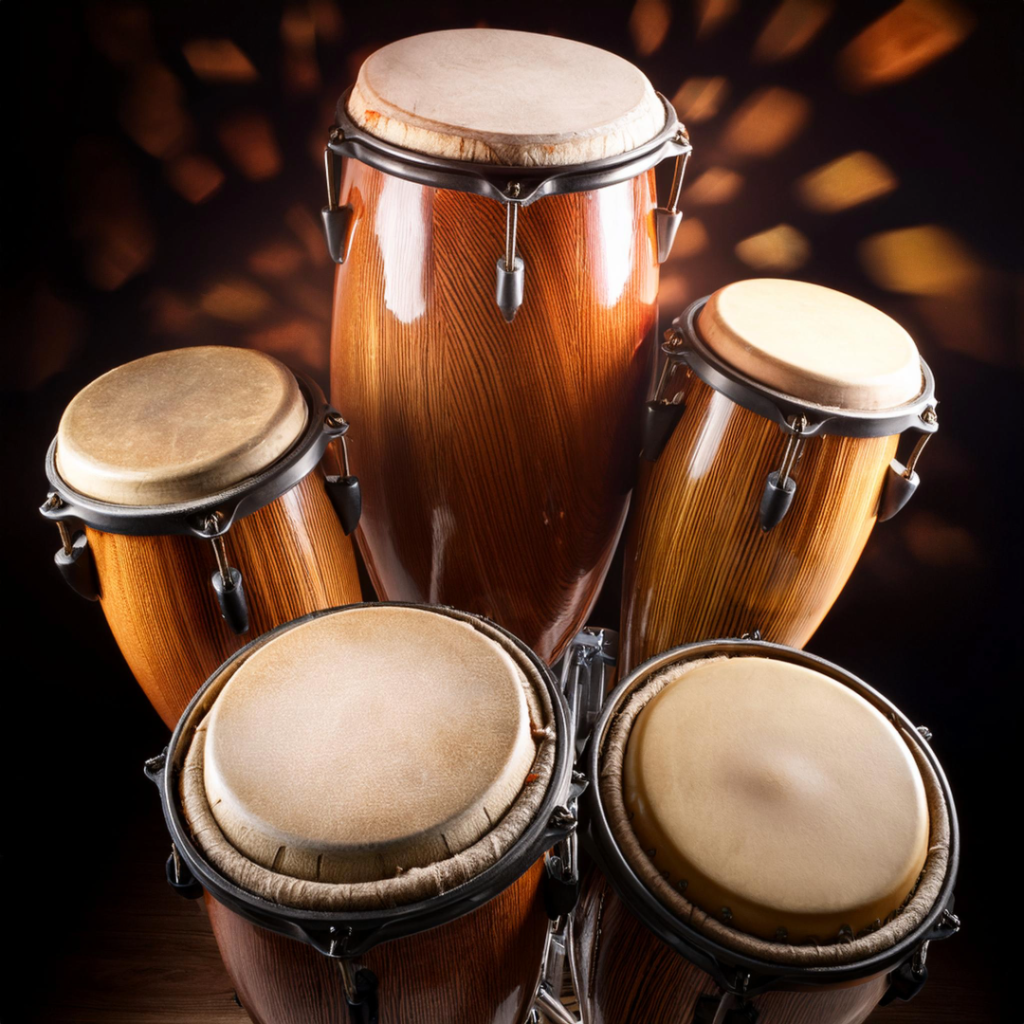
The conga drum, a fundamental instrument in Latin music, has its roots deeply embedded in African and Afro-Caribbean traditions. Originally brought to the Americas by enslaved Africans, the conga has evolved significantly over the years, becoming a staple in genres such as salsa, rumba, and son. Known for its rich, vibrant sound, the conga has transcended its cultural origins to gain recognition worldwide, often used in various musical styles beyond Latin music.
There are primarily three main types of congas, each serving a unique role in ensemble settings. The quinto, typically the smallest of the three, is responsible for providing the higher-pitched, melodic lines that lead the rhythmic conversation among the musicians. This drum’s higher timbre allows it to stand out, making it essential in creating intricate patterns that complement other instruments.
The conga, or “tumba” drum, is the middle-sized conga, offering a balance between melody and rhythm. This drum provides the backbone of rhythm in many performances, delivering a more robust sound compared to its smaller counterpart, the quinto. Its versatility enables it to be played using various techniques, allowing players to produce a wide range of tones, contributing richly to the overall sound of the ensemble.
Finally, the tumbadora, the largest of the three, produces the deepest notes. It offers a resonant foundation that supports solos or the syncopated rhythms of the other congas. The tumbadora’s lower pitch enriches the sound spectrum within an ensemble, establishing a solid base over which other instruments can perform.
Understanding these types of congas—quinto, conga, and tumbadora—will aid beginners in selecting an instrument that aligns with their preferred playing style and musical aspirations. Each type’s distinct sound quality and size highlight the drum’s essential role in Latin music, underscoring the importance of choosing the right conga for successful performance.
Key Factors to Consider When Buying Congas
Choosing the right congas is crucial for beginners who wish to establish a solid foundation in their drumming journey. Several important aspects should be taken into account to ensure the selected instruments meet the player’s needs and preferences. One primary consideration is size. Congas typically come in various sizes, including the common 11-inch and 12-inch models. Larger drums often produce deeper tones, while smaller ones offer a higher pitch, making it essential to match the size of the congas with the desired sound and the player’s physical ability to handle the drums.
Material is another critical factor affecting both the sound and durability of congas. Most drums are made from wood or fiberglass; wooden congas generally provide a warmer, richer sound, while fiberglass drums tend to be more resilient and are suitable for outdoor settings. Beginners should consider their intended use and the environment in which they will play, as this can greatly influence the longevity and performance of the instruments.
The type of drum shell also plays a significant role in overall sound quality. Congas with solid wood shells are often favored for their acoustic characteristics; however, various laminates and composite materials can provide alternative tonal qualities. Additionally, the drumhead material should be examined, as natural skins produce a traditional sound but require more upkeep, whereas synthetic heads offer durability and consistency in diverse conditions.
Lastly, it is essential to evaluate the sound quality and how it aligns with the player’s skill level and musical style. Experimenting with different models at local music stores can help ascertain which drums resonate with personal preferences. By carefully considering size, material, shell type, and drumhead, beginners can select congas that not only enhance their performance but also inspire confidence and creativity in their musical endeavors.
Types of Conga Materials and Their Impact on Sound
When selecting the right conga drums, it is crucial to consider the materials used in their construction, as these materials significantly affect the sound, durability, and playability of the instruments. The three primary materials used in conga construction are wood, fiberglass, and synthetic options, each offering distinctive characteristics that cater to different playing styles and preferences.
Wood is the traditional material for congas and is favored among many percussionists for its warm, rich tones and natural resonance. Typically, congas are made from various types of wood, such as mahogany, maple, or ash. Mahogany congas are particularly known for their deep and mellow sound, while maple provides a brighter tone with enhanced projection. The thickness of the wood also influences resonance; thicker shells generate a focused, sustained sound, while thinner shells offer a more vibrant, quick response. However, wood congas can be more susceptible to environmental changes like humidity and temperature, which may affect their tuning and overall sound quality.
Fiberglass congas, on the other hand, are manufactured from resins and glass fibers, resulting in a more durable construction. These congas produce a sharp, cutting sound with bright overtones, making them excellent for loud musical environments. Their resilience means they are generally less affected by moisture and temperature fluctuations, which contributes to consistent performance. Many percussionists prefer fiberglass instruments for outdoor performances or in settings where durability is paramount.
Lastly, synthetic congas, often made from plastic or composite materials, bridge the gap between wood and fiberglass. They offer the advantage of being lightweight and resistant to warping while still providing a decent tone. Although their sound might not resonate with the same depth as wood, they are popular among beginners due to their affordability and ease of maintenance. Understanding these material differences equips aspiring conga players with informed choices that align with their style and sound preferences.
Top Brands for Beginner Congas
When embarking on the journey of learning to play congas, selecting the right instrument is crucial. Several brands have established themselves as leaders in producing beginner-friendly congas, catering specifically to the needs of novices. Notable among these brands are LP (Latin Percussion), Remo, and Toca, each offering unique characteristics and benefits.
LP (Latin Percussion) is widely respected in the percussion community, known for their commitment to quality and craftsmanship. They provide a diverse range of beginner congas designed to be both accessible and durable. Many of their models come equipped with features that enhance playability, such as comfortable rim designs and quality drumheads, making them an excellent choice for beginners who are seeking an instrument that can grow with their skills.
Another reputable brand is Remo, which has carved out a niche in producing synthetic drumheads, offering greater durability and resistance to climate changes. Remo’s beginner congas are well-suited for novices, as they typically feature lightweight constructions and offer a warm, resonant sound without the need for extensive maintenance. The brand’s commitment to innovation ensures that new players get the best learning experience without being overwhelmed by upkeep tasks.
Toca is also worth mentioning, as it is particularly popular for its vibrant designs and affordability. The brand focuses on creating instruments that not only look appealing but also sound fantastic, making them an attractive choice for those new to playing. Toca congas are often praised for their value for money, offering well-crafted instruments at a reasonable price point to help beginners get started without breaking the bank.
Each of these brands provides a range of beginner-friendly congas, ensuring that aspiring percussionists can find an option that aligns with their budget, aesthetic preference, and musical aspirations. Choosing one of these reputable brands sets the foundation for an enjoyable and enriching musical journey.
Recommended Congas for Beginners: A Product List
For those starting their journey into the world of congas, choosing the right instrument can significantly influence your learning experience. Below is a curated list of congas that are particularly suited for beginners, offering diverse features at different price points.
1. LP Aspire Series Congas
These congas are crafted from high-quality rubber wood, providing a solid and resonant sound. They come in a variety of sizes, typically ranging from 10″ to 11.75″. The LP Aspire Congas often come equipped with black powder-coated hardware, enhancing durability and resistance to rust.
Price Range: $300 – $400
Pros: Exceptional sound quality, sturdy construction.
Cons: Slightly heavier compared to other models.
2. Toca Synergy Congas
The Toca Synergy series offers an affordable yet appealing option for beginners. Made from traditional Siam oak, these congas deliver a warm sound. The lightweight design makes them easy to transport and set up. The natural skin heads provide a classic conga sound that many players appreciate.
Price Range: $200 – $300
Pros: Excellent value for money, lightweight.
Cons: Limited color options.
3. Meinl Headliner Series Congas
Meinl is known for its quality percussion instruments, and the Headliner series reflects this reputation. These congas are designed with a rich, warm tone and are offered in sizes of 10″ and 11″. They feature an attractive finish and include chrome hardware for a professional appearance.
Price Range: $250 – $350
Pros: Attractive design, rich sound quality.
Cons: Higher price point than entry-level models.
Each of these models brings unique characteristics, making them suitable for novice players. Whether prioritizing sound quality, portability, or cost-effectiveness, beginners can find a conga set that aligns with their skill level and musical aspirations.
Where to Buy Your Congas: Online vs. Local Stores
When considering where to purchase your first set of congas, it is essential to weigh the advantages and disadvantages of both online retailers and local music stores. Each option has its own unique benefits that can influence your buying decision.
Shopping at local music stores can provide a tangible advantage: the opportunity to physically try out various congas. This hands-on experience allows beginners to assess sound quality, comfort, and playability. Local retailers often employ knowledgeable staff who can offer personalized advice and recommendations based on your skill level and preferences. Furthermore, the immediate availability of products can be appealing, eliminating the wait time associated with online orders. However, local stores may have limited selection and higher pricing due to overhead costs.
On the other hand, online retailers present an extensive variety of congas that may not be available in nearby stores. The convenience of shopping from home and the ability to easily compare prices from multiple sources are significant advantages. Online platforms often feature customer reviews, which can help prospective buyers gauge the quality and performance of different congas. Nonetheless, the primary drawback is the inability to physically inspect or test the instruments. Shipping costs and potential returns can also become a concern if the purchased congas do not meet expectations.
In conclusion, the choice between purchasing congas online or from local stores ultimately depends on individual preferences and priorities. It is advisable for beginners to consider their specific needs, such as the importance of hands-on testing versus convenience and variety, when making their decision. Balancing the pros and cons of each option will help ensure a satisfying purchase experience and pave the way for a successful journey into playing congas.
Conga Accessories Every Beginner Should Consider
When embarking on the journey of conga drumming, the right accessories can significantly enhance a beginner’s experience. Investing in quality accessories not only improves performance but also contributes to the maintenance and longevity of the drums themselves. Understanding which accessories are essential can help newcomers make informed choices in their conga pursuit.
One of the most important accessories for beginners is a sturdy conga stand. A reliable stand elevates the drum to a comfortable playing height, allowing drummers to perform with better posture and control. Stands come in varying heights and styles, so it is essential to select one that suits personal play style and preference. This accessory not only aids in comfort but also prevents damage to the drum from unnecessary contact with the ground.
Another crucial item is a tuning key. Congas require periodic tuning to maintain their sound quality, and a tuning key is essential for this task. With a tuning key, beginners can easily adjust the tension of the drumheads, ensuring their instrument produces the best possible sound. Learning to tune the drum properly can lead to improved performance and a deeper appreciation of the instrument.
Additionally, drumsticks specifically designed for congas should not be overlooked. These sticks often feature a different design and weight than standard drumsticks, providing players with the appropriate feel for conga playing. The right drumsticks enhance a drummer’s ability to produce different tones and rhythms, boosting confidence and engagement during practice.
Lastly, a quality gig bag is vital for transporting and protecting congas. A padded gig bag safeguards the drums from potential damage during transit and storage. This accessory not only protects the instrument but also makes it more convenient for beginners to carry their drums to lessons or performances. Combining these essential accessories can greatly improve a beginner’s conga drumming journey.
Maintenance and Care of Your Congas
Proper maintenance and care of your congas are essential to ensure they remain in excellent condition and produce the best possible sound. As a beginner, understanding a few fundamental aspects of drum care will help you develop a routine that promotes longevity and performance. One of the primary components of conga maintenance involves regular cleaning. Dust and grime can accumulate on the drum shell and hardware, which can affect not only the appearance but also the resonance of the instrument. Use a soft, damp cloth to wipe down the shell and avoid harsh cleaning agents that could damage the finish. In addition, the drumheads should be inspected frequently for signs of wear or damage, ensuring that they maintain their ability to produce a crisp and clear tone.
Another critical aspect of maintaining congas is adjusting the drumheads. Congas typically feature either natural skin or synthetic heads, both of which require different care methods. Over time, drumheads may loosen or tighten due to environmental factors; humidity and temperature fluctuations can significantly impact their tension. It is advisable to check the tension regularly and make adjustments as needed. For skin heads, moisture control is crucial—consider using a dehumidifier in particularly humid environments to prevent damage. Conversely, if the heads are too tight, loosen them slightly to prevent cracking or breakage.
Environmental considerations also play a significant role in the care of your congas. Keeping your instruments in a stable, climate-controlled environment will protect them from harmful changes that could affect their performance. Avoid placing congas near heat sources or in areas with intense temperature fluctuations, which can warp the wood and affect sound quality. By regularly cleaning your congas, adjusting drumheads appropriately, and considering environmental factors, you can maintain your instruments effectively and ensure they serve you well throughout your musical journey.
Getting Started: Learning to Play Congas as a Beginner
Embarking on the journey to learn how to play congas can be an exhilarating experience for beginners. The conga drums, with their rich rhythms and vibrant sounds, provide an excellent foundation for developing percussion skills. To get started, it’s essential to establish a solid practice routine. This should include daily practice sessions lasting at least 20-30 minutes. Consistency is key to making progress in mastering the conga drums.
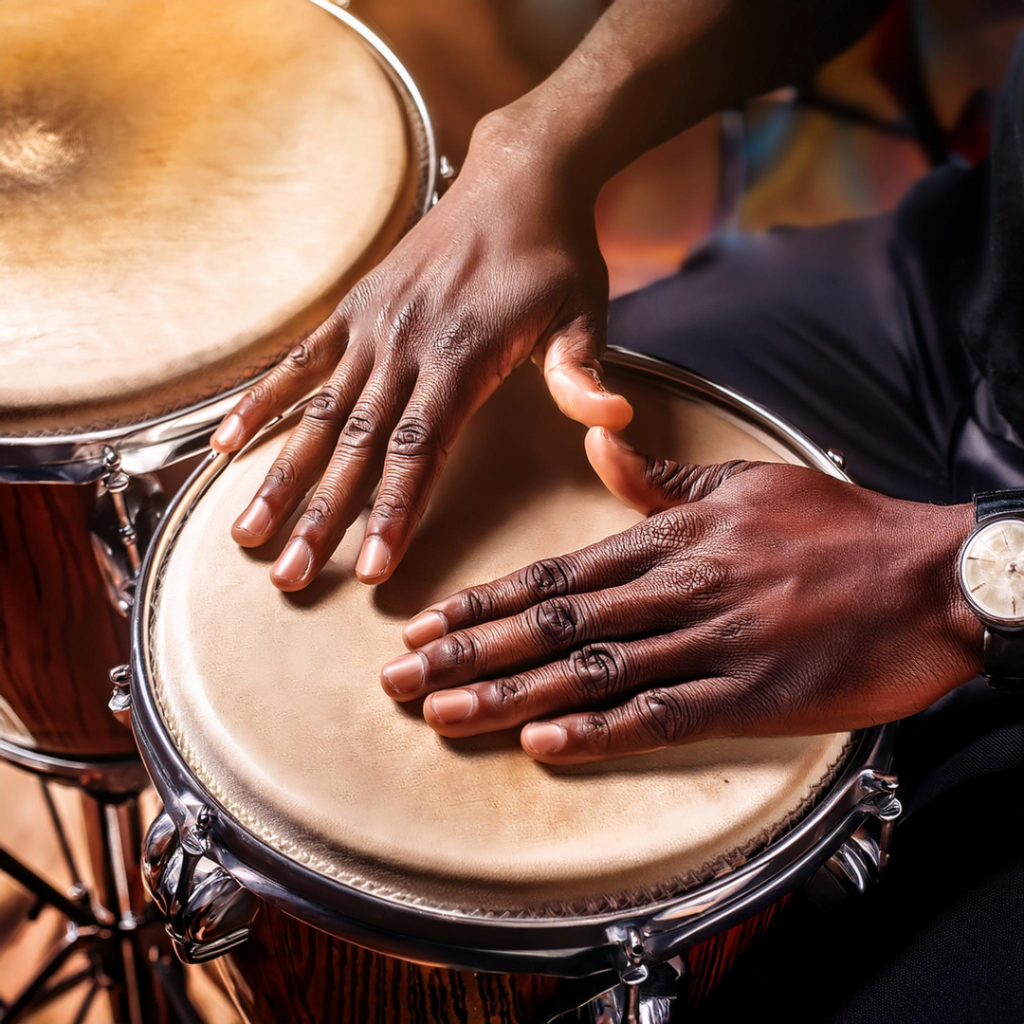
One of the most effective ways to learn is through online tutorials and classes. Numerous platforms offer instructional videos that cater specifically to beginners. Websites such as YouTube have a plethora of tutorials that range from basic techniques to more advanced rhythms. Additionally, online music education platforms like Skillshare and Udemy offer structured courses taught by experienced percussionists. These resources can guide aspiring conga players through essential techniques such as hand positioning, striking methods, and basic rhythm patterns.
As you progress, it’s important to develop a personal playing style. Experimentation with different rhythms and techniques can help you find a comfortable approach that resonates with your musical identity. Whether you prefer traditional Afro-Cuban rhythms or contemporary styles, taking time to explore various genres can enrich your playing. Finding local or online communities of fellow beginner percussionists can also offer support and motivation. Engaging with fellow learners can foster a sense of camaraderie and provide opportunities to share insights and experiences.
Staying motivated to practice is vital for improvement. Setting specific goals, whether mastering a particular rhythm or learning a new song, can help maintain focus and enthusiasm. Documenting your progress through video recordings or a practice journal can also highlight your development over time. With dedication and the right resources, learning to play congas as a beginner can transform into a fulfilling and enjoyable musical journey.